
Herringbone Flooring

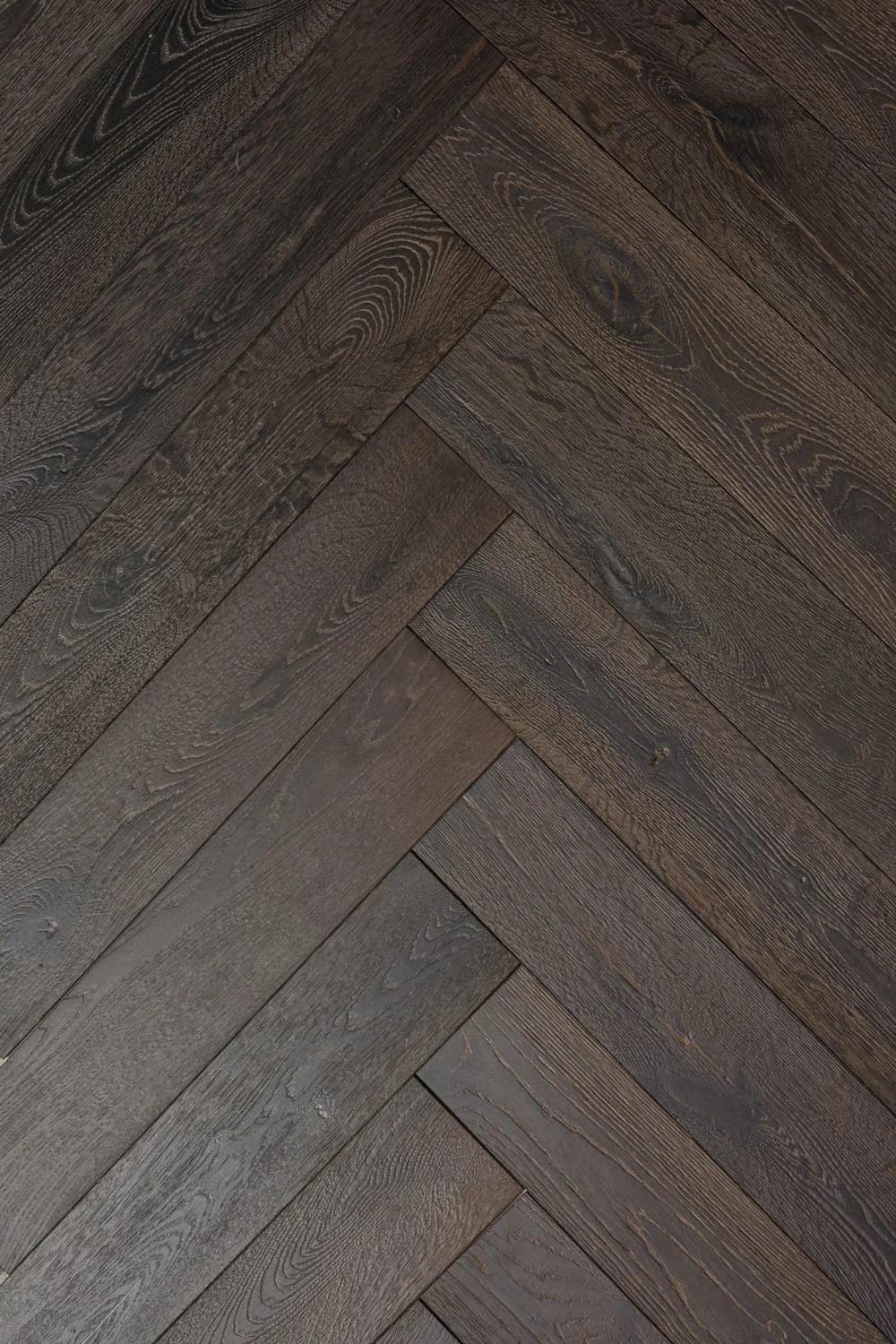
Herringbone flooring is the oldest and most enduring of the parquet flooring patterns, a way of setting boards at ninety degrees so that light travels across a room instead of straight down it. VOGUE Parquet® supplies herringbone flooring in European oak, French oak and walnut, milled and graded in Europe and delivered as a complete floor with matching borders and thresholds. The pattern carries four centuries of architectural history, from the parquet de Versailles of the French chateaux through to the towers being completed in Miami and New York today, and it still reads as the most considered floor a room can be given.

The Herringbone Collection

herringbone flooring
wood flooring
Engineered Hardwood vs Solid Hardwood
parquet wood flooring by VOGUE Parquet

Pattern, Proportion and Light

Why Herringbone Flooring Endures

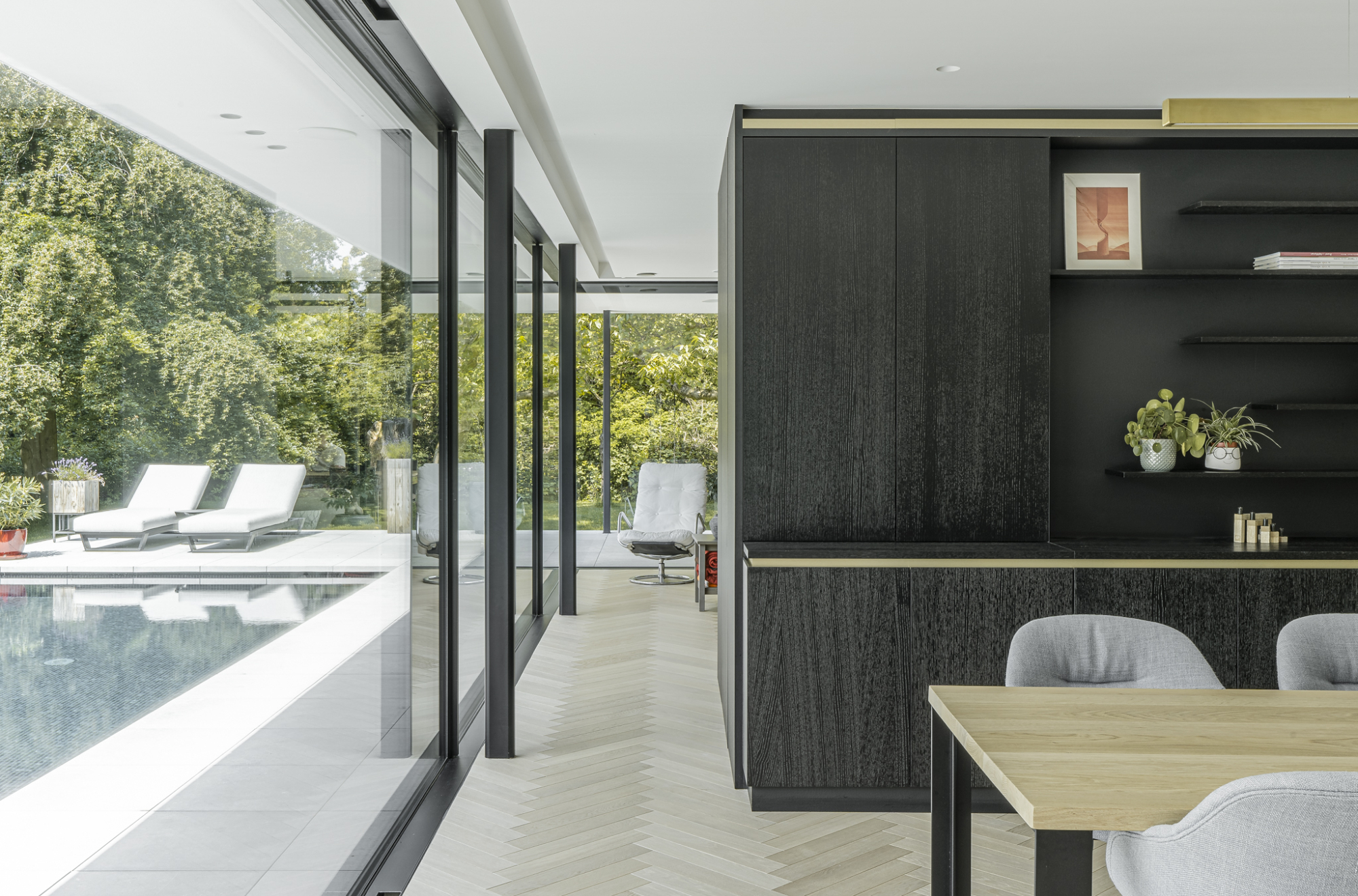
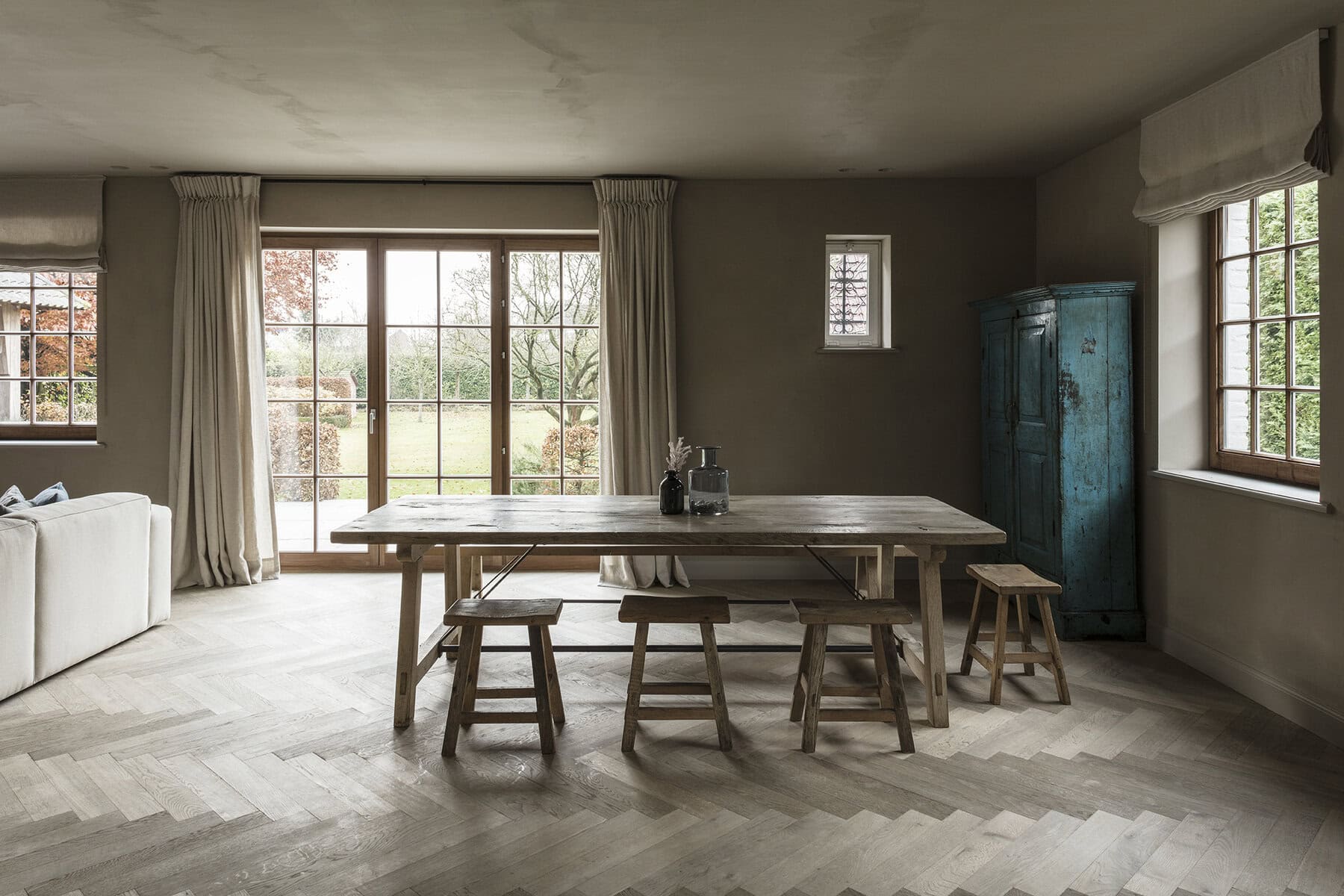
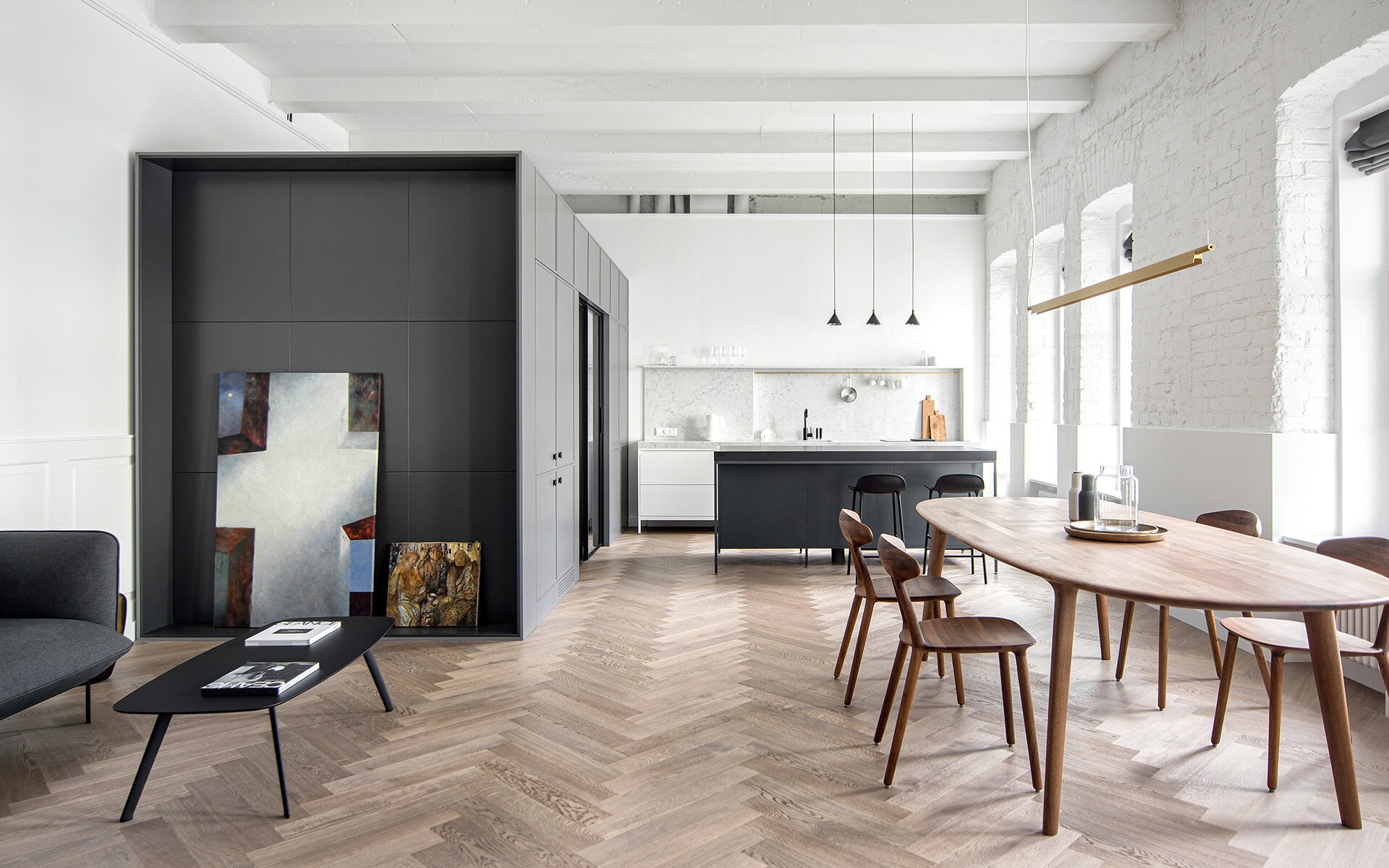
A plank floor draws the eye along its length and makes a room read as a corridor. Herringbone flooring does the opposite. Because each block sits at a right angle to its neighbour, the grain catches light from two directions at once, and the surface holds a soft movement that changes as the sun crosses the room. That behaviour is why the pattern survived the move from the formal rooms of the French chateaux into contemporary architecture rather than being left behind as ornament. It is not decoration applied to a floor. It is a structural decision about how a room handles daylight.

The pattern also comes in more than one weight. A single herringbone sets one block against one block and reads quietly, while a double or triple version groups blocks in pairs or threes and produces a broader, calmer rhythm that suits large rooms without becoming busy. Borders change the reading again, framing the field so the pattern stops cleanly at a threshold rather than running into a wall at an awkward angle.

Oak, Walnut and the Block Itself

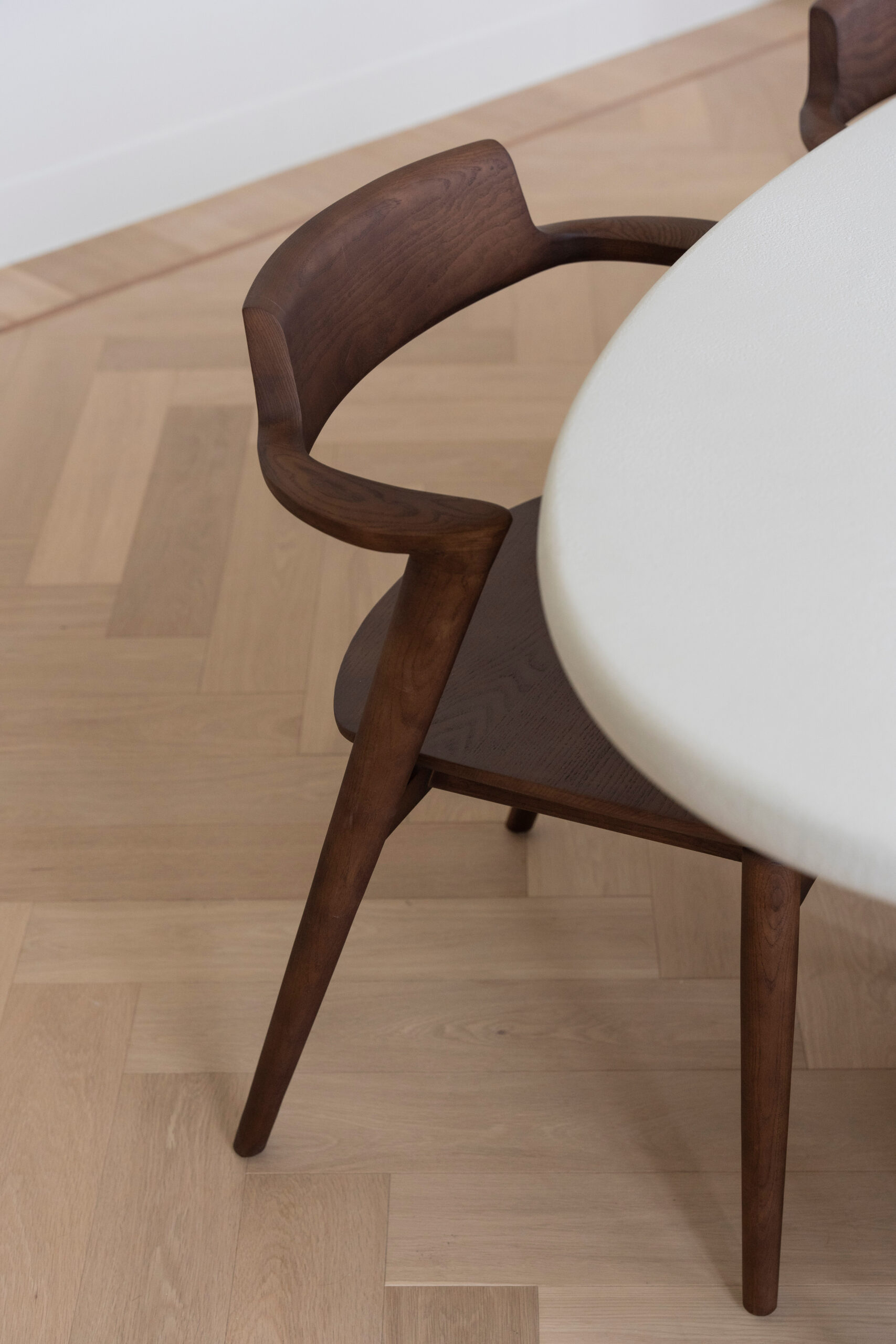
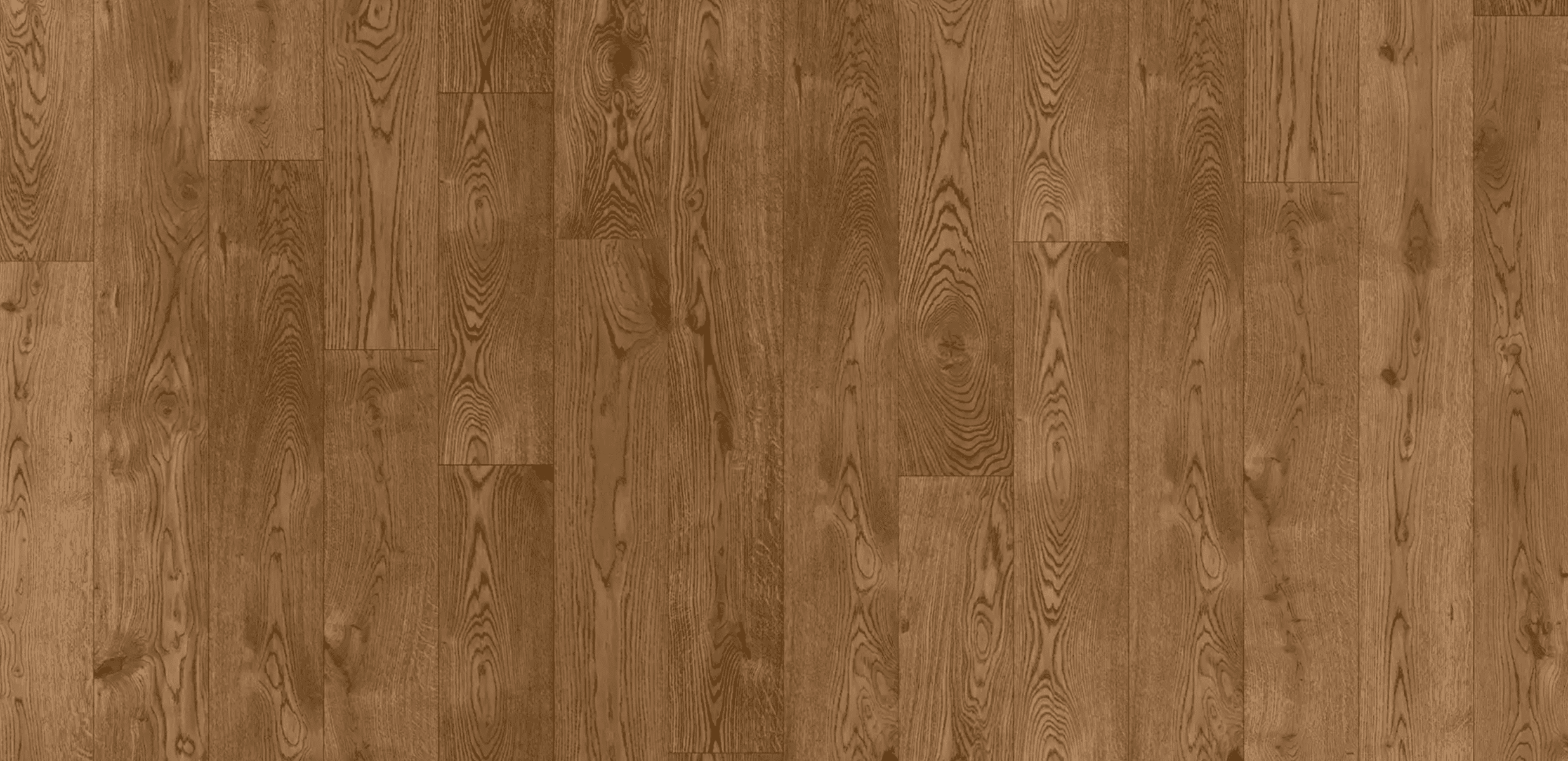
The species sets the tone and the block sets the scale. European and French oak give the pale, open grain that suits high ceilings and large glazing, while walnut brings a darker, closer figure that settles a room rather than opening it. Block size matters just as much, because a short block reads as texture and a long block reads as architecture, and the same room can feel restless or composed depending on which is chosen. Our pattern and geometry guide sets out how proportion behaves at different ceiling heights, and every block we supply can be cut to a specified dimension.

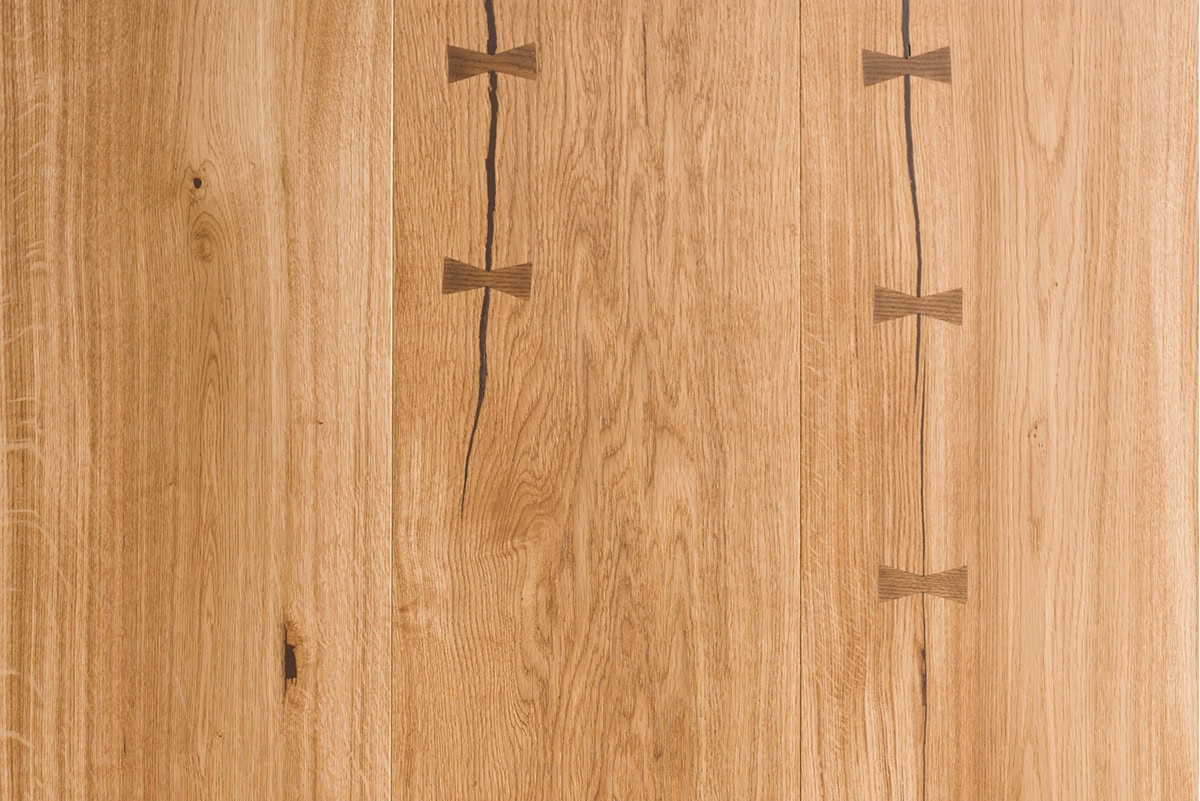
Grade is the third variable and the one most often left until too late. A select grade gives an even, almost uniform field with minimal knots and colour variation, which suits a formal interior, while a character grade keeps the knots, mineral streak and sapwood that make a floor read as timber rather than as a surface. Neither is better. They are answers to different rooms.

A FLOOR LAID IN HERRINGBONE IS A DECISION ABOUT LIGHT, NOT ORNAMENT

The pattern was never meant to be noticed first. It was meant to make everything above it look considered.

Specifying Herringbone Flooring

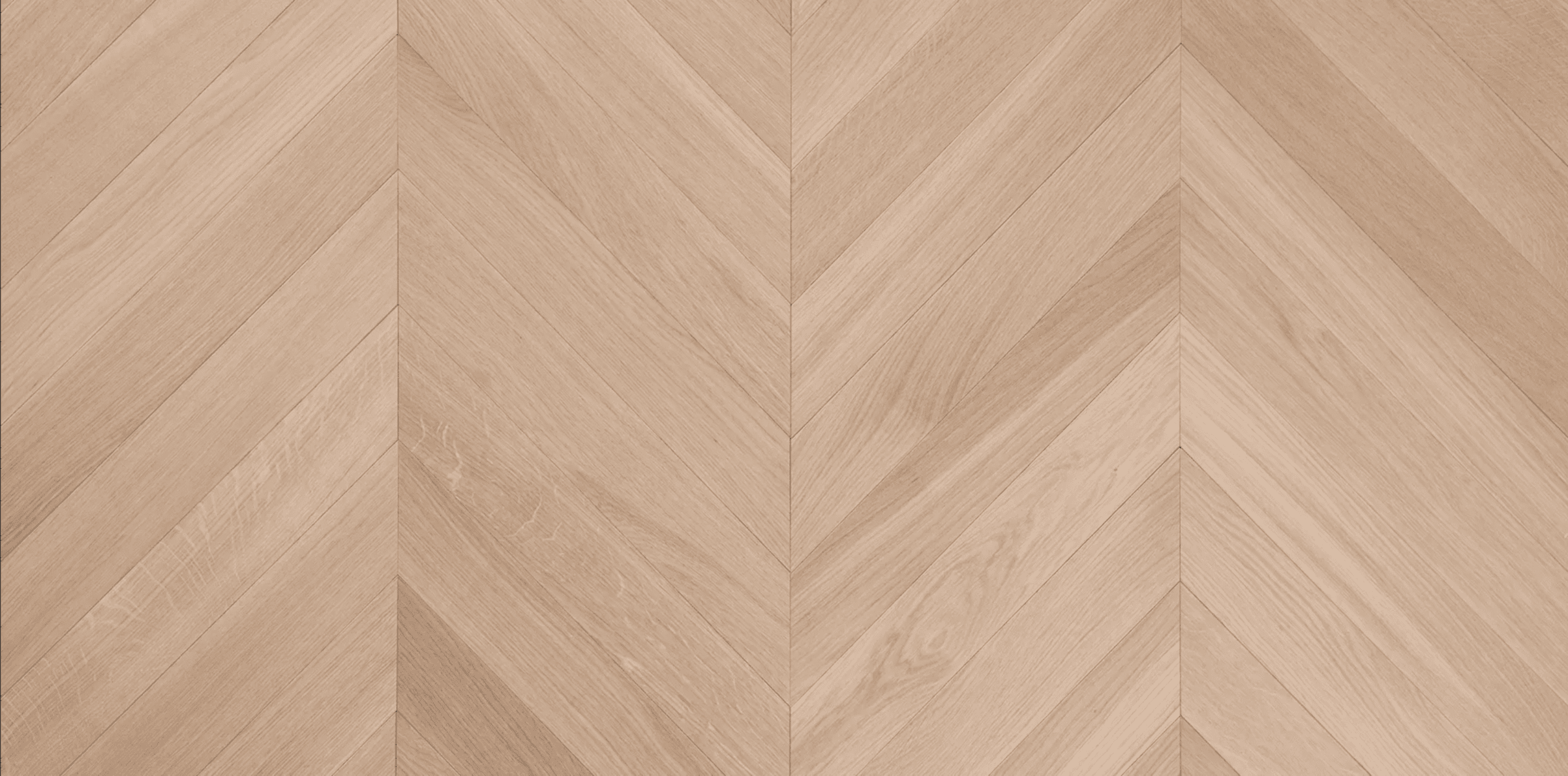
Specifying herringbone flooring is a matter of setting out before it is a matter of selection. The centre line has to be established against the architecture rather than the walls, since few rooms are truly square, and a pattern set out from a wall will drift visibly across a long floor. Subfloor flatness tolerance is tighter than for plank, borders and thresholds need drawing at design stage rather than on site, and engineered construction is usually specified where underfloor heating is present. Our comparison of chevron and herringbone covers where each pattern belongs.

Acclimatisation is the other detail that decides whether a herringbone floor holds. Blocks need to sit in the finished building at working temperature and humidity before laying, because a pattern with this many joints shows movement far more readily than a plank floor, and a floor laid into a building still drying out will telegraph every seasonal change for years afterwards.

HERRINGBONE FLOORING

By VOGUE PARQUET®

EVERY BLOCK MILLED, GRADED AND FINISHED IN EUROPE

Herringbone Flooring Across Our Markets

Herringbone flooring behaves differently in each of the markets we supply, and the specification follows the building rather than the trend. In Miami the question is humidity and indoor-outdoor transition, in the new branded residences from Residences by Armani/Casa to the towers along Biscayne Bay. In New York it is acoustic ratings and pre-war proportion, in buildings such as 111 West 57th Street, where solid oak was specified throughout. In Los Angeles it is scale and open plan. Our New York and Los Angeles pages set out each market.

Each market has its own page: herringbone flooring in Miami, herringbone flooring in New York and herringbone flooring in Los Angeles, with the specification detail that applies to the buildings in each.

Request Herringbone Samples

Herringbone flooring is specified from the block, not from a photograph, because grain, tone and finish only resolve in the hand and under the light of the room itself. We send full-size samples to designers, architects and homeowners, together with grading notes and the block dimensions available in each species. Request samples and we will match the selection to the building, the light and the pattern you intend to lay. For the wider pattern family, our guides to French oak herringbone and wide plank against herringbone are the place to begin.

The herringbone blocks we hold are cut in four principal specifications: French oak herringbone for the classic European field, European oak herringbone where a paler and more open grain is wanted, walnut herringbone for a darker and closer figure that settles a large room, and Oak Vanilla herringbone for the lightest of the range. Each is available in the block dimensions set out above.

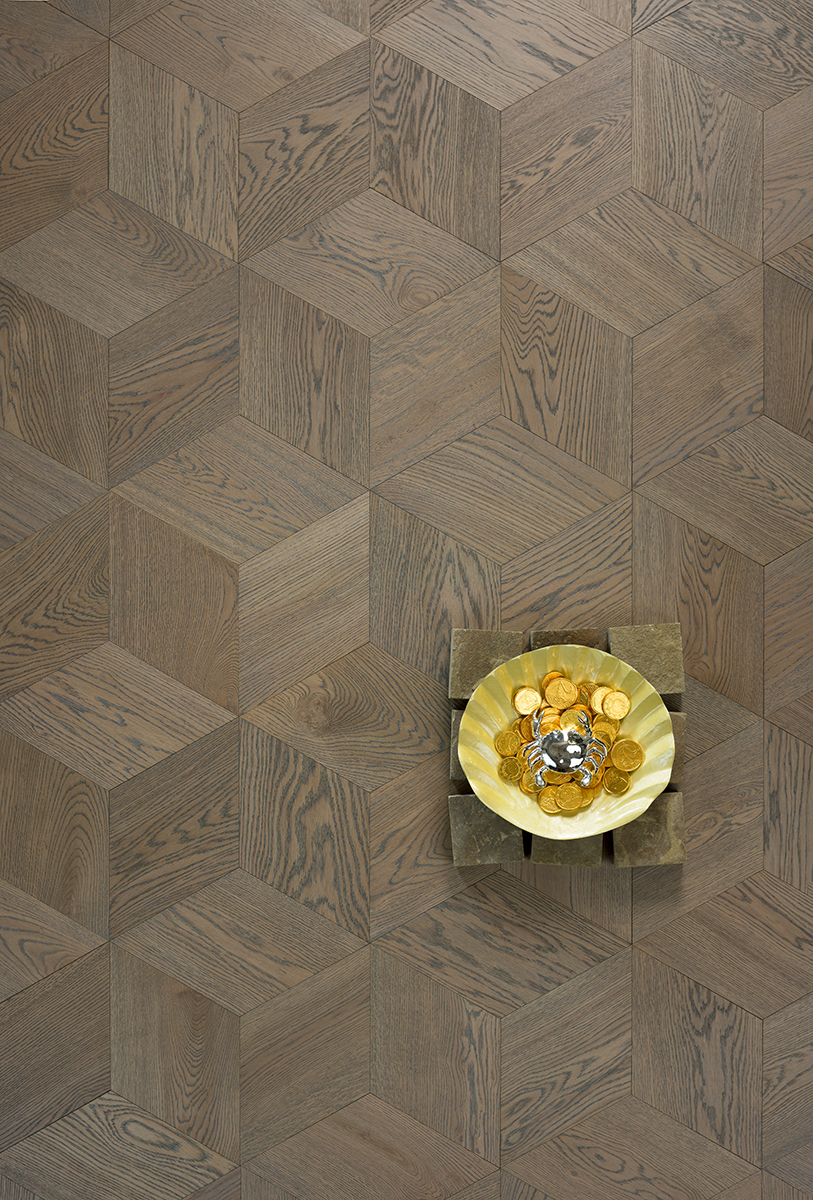
On pattern and geometry, our guides cover how the parquet patterns are set out, the difference between chevron and herringbone, the grouped double herringbone field, how the pattern compares with wide plank and how block size changes the way a room reads.

On specification and installation, see what the subfloor and setting out demand, why engineered construction suits a pattern floor, how thresholds and level changes are detailed and where timber meets stone.

On setting and style, we look at French oak herringbone, herringbone in pre-war apartments, the pattern in contemporary interiors, the Nordic reading of it and where European flooring is heading.

The other classical angled pattern is chevron, where the boards are mitred and meet in a point rather than a step, and it is set out on our chevron flooring page.