

Chevron Flooring

Chevron flooring is the most precisely cut of the parquet patterns, a floor in which every board is mitred at both ends so the boards meet point to point and the joint runs the length of the room as one unbroken line. It is routinely confused with herringbone, but the two are built differently and read differently underfoot. Herringbone boards are cut square and stack against one another in a stepped rhythm, while chevron boards are cut to an angle and align, which is why a chevron floor carries the eye forward and a herringbone floor holds it in place. VOGUE Parquet® supplies chevron in engineered European and French oak, milled in Europe and specified to the drawing rather than to a catalogue.

The Chevron Collection

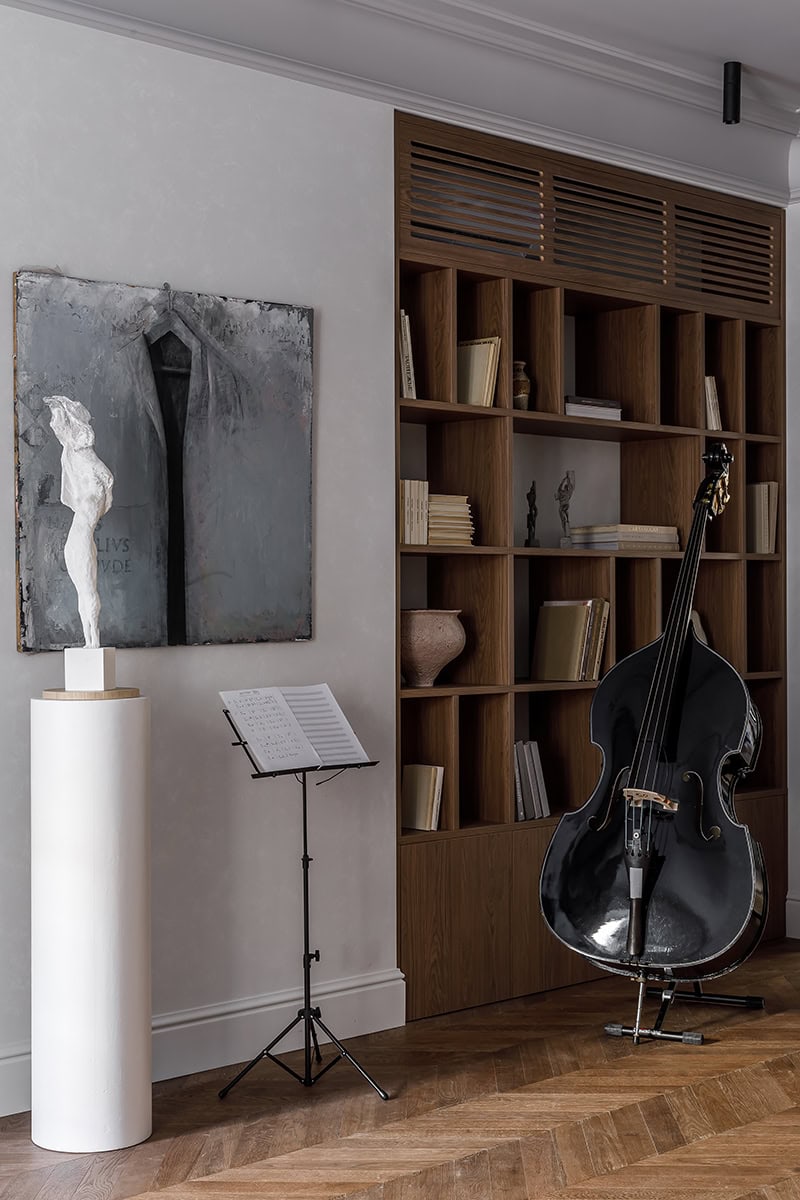
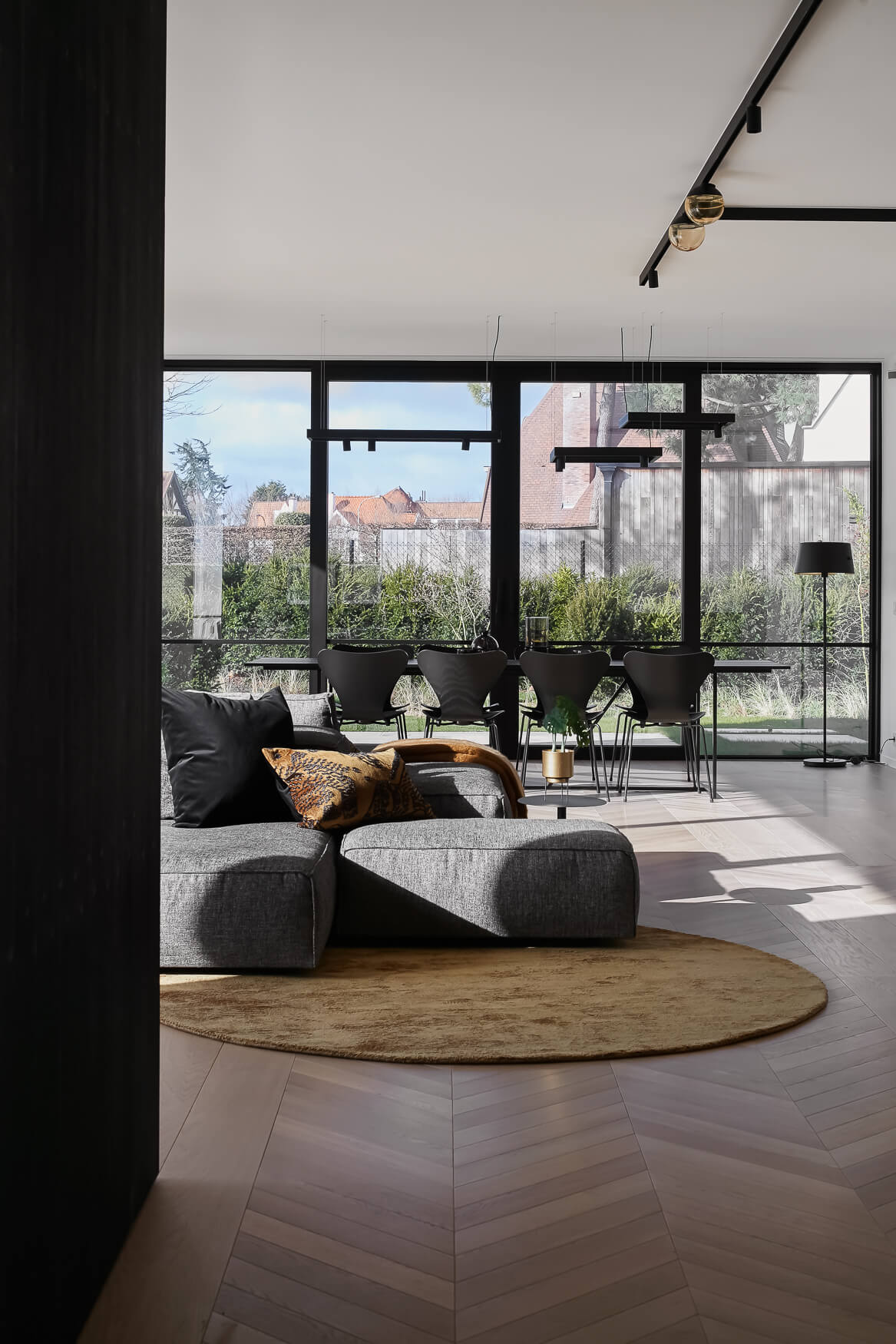
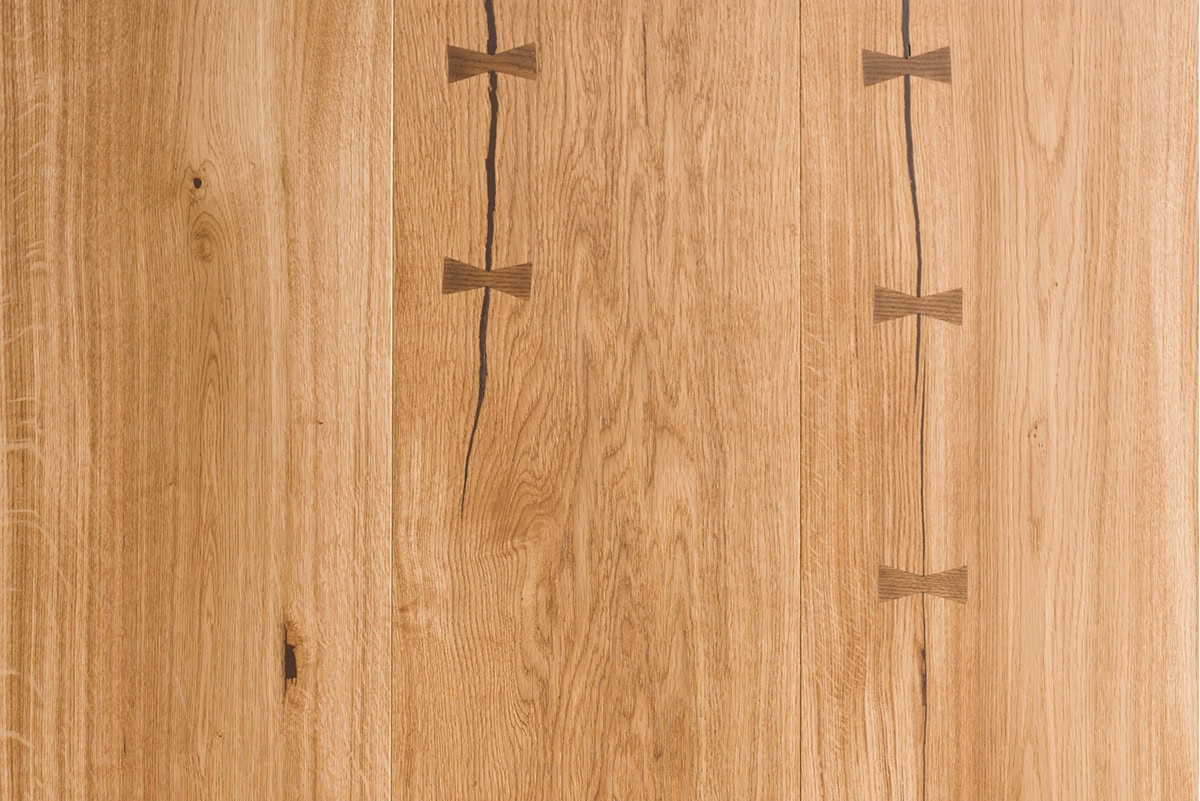
chevron flooring in an architectural interior
Hardwood flooring miami
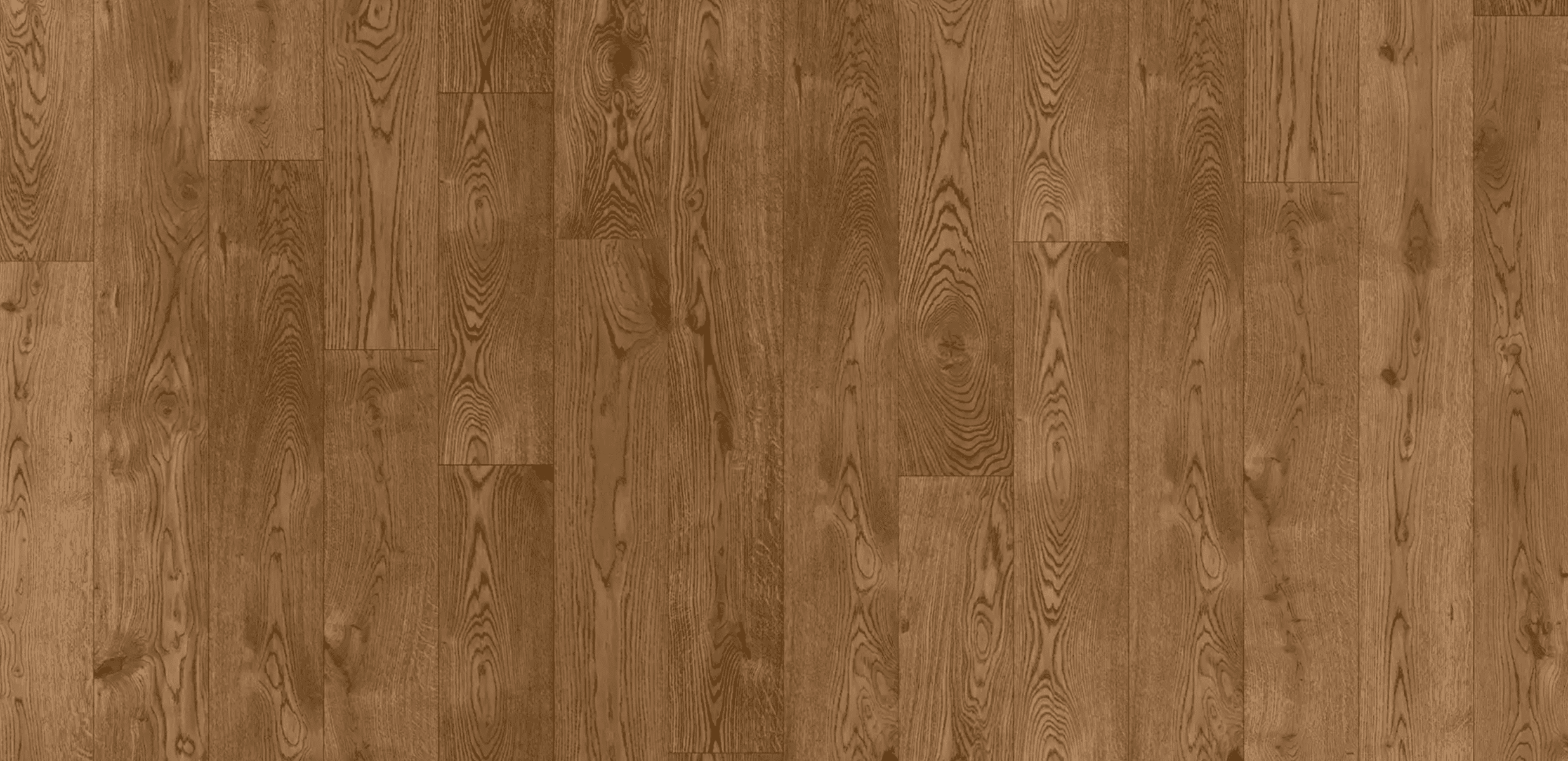
parquet flooring
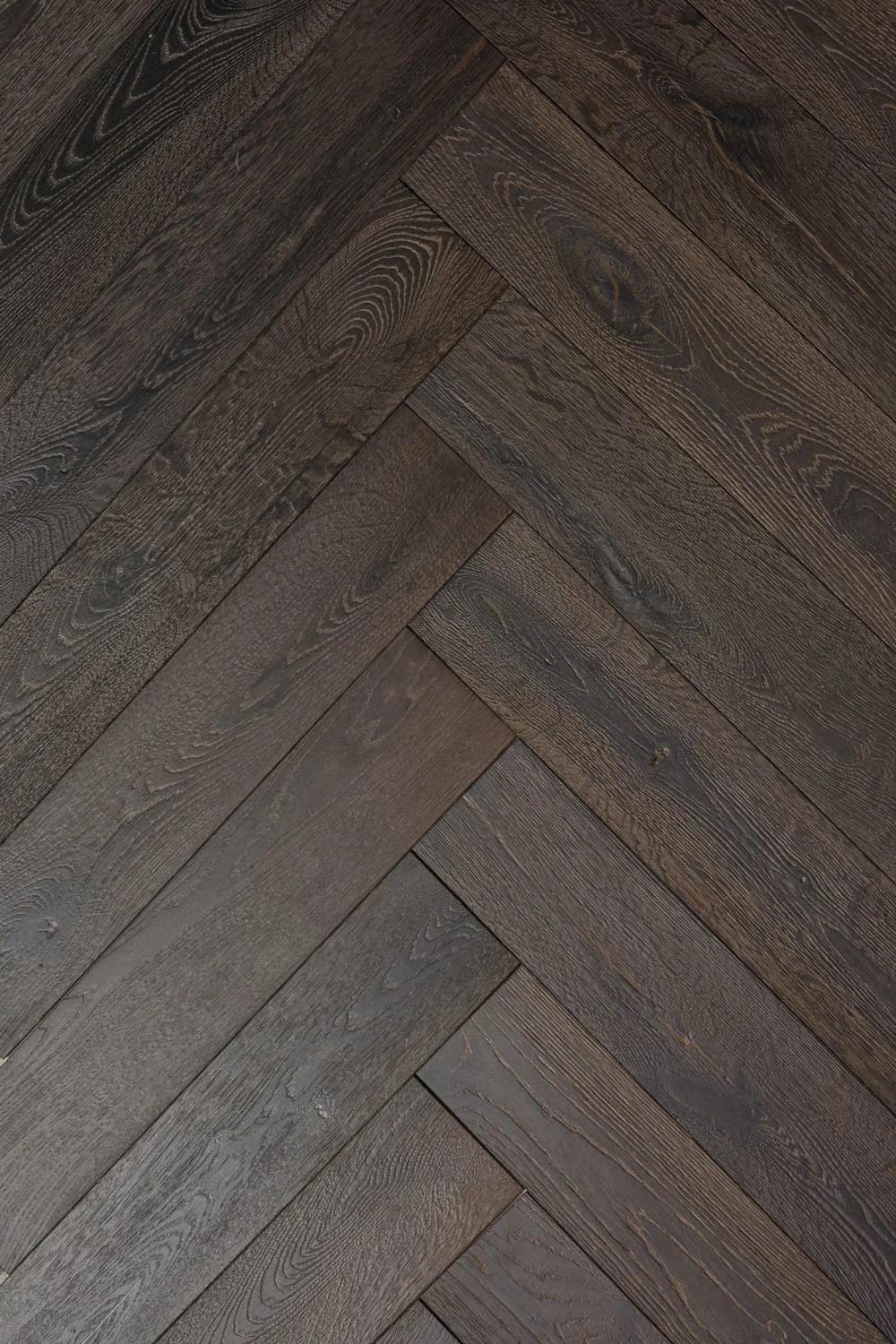
Chevron wood flooring home

Angle, Rhythm and Line

Why Chevron Flooring Holds a Room

A chevron floor is governed by a single line. The spine runs down the centre of the room and every board is set against it, so the pattern either agrees with the architecture or argues with it and there is no middle position. Set correctly, the spine picks up the axis of the room and carries it through doorways, past thresholds and into the space beyond, which is why chevron suits enfilades, galleries and long formal rooms better than almost any other pattern.

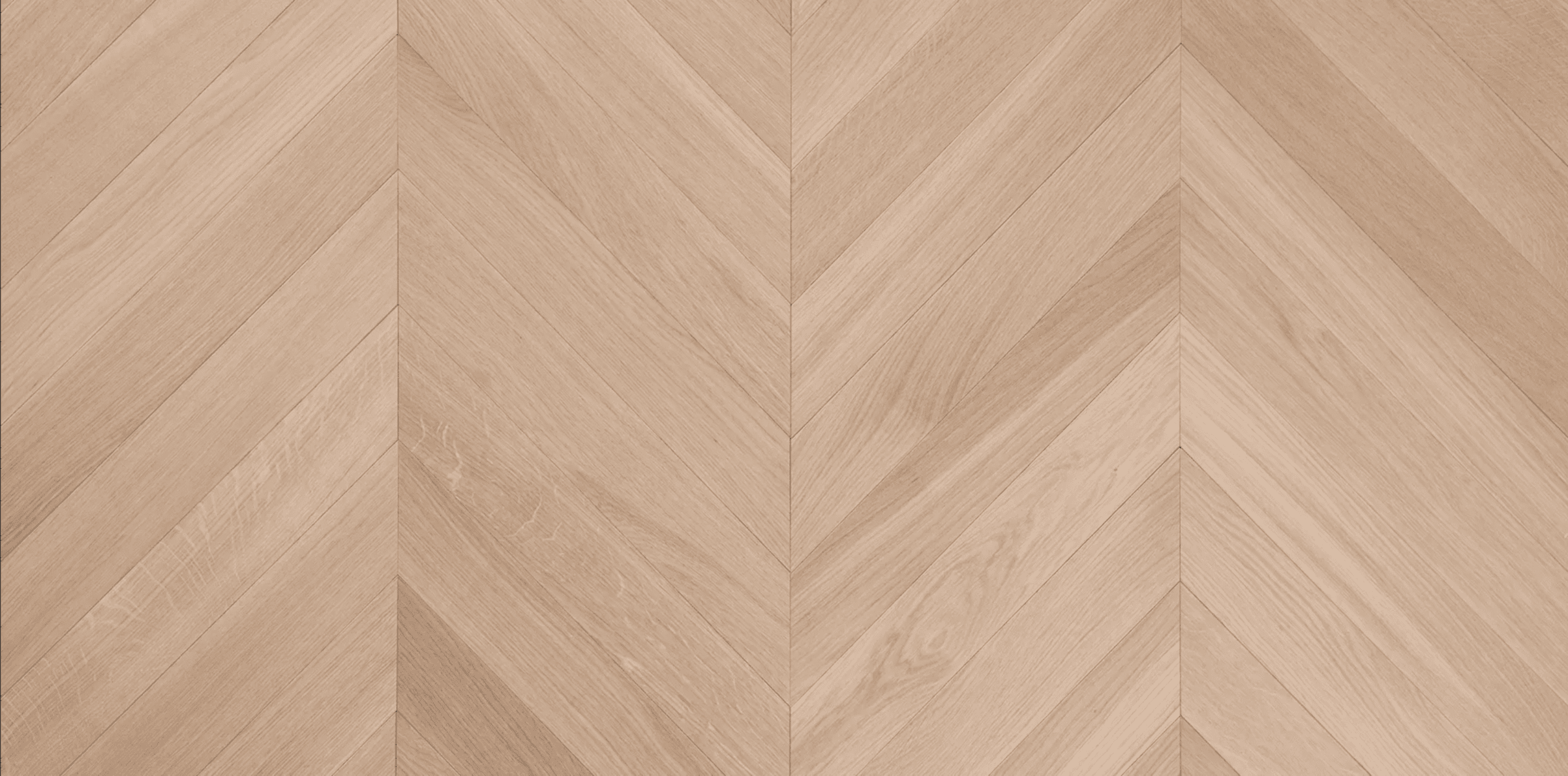
The angle decides the character. A forty-five degree cut opens the V wide and gives a broad, calm rhythm that suits large rooms and pale oak. A sixty degree cut lengthens the point, tightens the rhythm and pulls the eye harder along the axis, which reads as more formal and more deliberate. Light does the rest, because the two faces of the V sit at opposing angles and take light from different directions, so the floor appears to hold two tones that exchange as you cross it, and the finish decides how far that effect is allowed to travel.

Oak, Walnut and the Cut of the Point

The species sets the tone and the mitre sets the discipline. European and French oak give the pale, open grain that suits high ceilings and full glazing, and they take fuming, smoking and white oils without losing the figure. Walnut runs darker and warmer, and on a chevron floor that depth makes the point where two boards meet the strongest line in the room, so it asks for a wider angle and a calmer grade.

Grade matters more here than on plank. Every board is cut twice, and the point is where knots, sapwood and mineral streak show most plainly, so a floor specified in a select grade reads as a drawn line while a rustic grade reads as texture. Construction matters for the same reason. The tip of a mitred board is the thinnest part of the wear layer, and an engineered board with a four millimetre wear layer over a stable core holds that tip flat through seasonal movement where a solid board will not.

The construction that makes all of this possible is covered in engineered chevron flooring, and the species question in French oak chevron flooring.

A CHEVRON FLOOR IS A LINE DRAWN THROUGH A ROOM, NOT A PATTERN LAID ON IT

A chevron floor is not a pattern laid on a room. It is a line drawn through it.

Specifying Chevron Flooring

Specifying chevron flooring begins with the setting out, not the selection. The spine has to be drawn before anything is ordered, because its position governs how the pattern meets every wall, and a spine set to the room rather than to the building leaves broken points at the doorways. Boards are handed, which means left and right pieces are mirrored and must be ordered as balanced pairs, and the cut angle is fixed at the same moment because it cannot be changed once milling begins. Waste runs higher than plank, since every perimeter board is cut back to the angle, so the allowance is larger and is agreed at drawing stage rather than discovered on site. Where the floor meets stone, metal or a change of level the detail is drawn rather than improvised, and the same holds wherever chevron runs into a plank field or a border, which is where it helps to understand how the classical patterns relate to one another.

Two guides cover the mechanics in detail: chevron flooring angles, which sets out the difference between the forty-five and sixty degree cut, and chevron flooring installation, which covers the subfloor, the spine and the sequence of work.

CHEVRON FLOORING

By VOGUE Parquet®

EVERY BOARD MITRED, GRADED AND FINISHED IN EUROPE

Chevron Flooring Across Our Markets

Chevron behaves differently in each market we supply, and the specification follows the building rather than the trend. In Miami the concern is movement, because glazed waterfront rooms swing between conditioned air and open doors, which is where engineered construction and a controlled subfloor matter most, and that is set out on chevron flooring in Miami. In New York the constraint is the plan, since pre-war rooms and landmark buildings rarely give a true rectangle and the spine must be drawn against the architecture rather than the walls, which is covered on chevron flooring in New York. In Los Angeles the floor usually runs unbroken from the entry to the terrace threshold, so the angle is chosen to carry the eye toward the view, and that is set out on chevron flooring in Los Angeles.

The pattern belongs to the class of building where the floor is expected to carry the architecture rather than decorate it — towers drawn around light and axis, such as Armani Casa Residences in Sunny Isles and Aman New York on Fifth Avenue.

Two applications have their own logic. A framed floor is set out in chevron parquet panels, and the corridor and gallery case in chevron flooring in narrow rooms, where the pattern is at its most useful and its most easily misjudged.

Request Chevron Samples

Chevron flooring is specified from the board, not from a photograph, because the angle, the grain and the finish only resolve when the point is in front of you and the light of the room is falling across it. Samples are cut from current stock and sent with grade, wear layer and finish recorded, so the specification can be written from the piece in your hand.

Chevron belongs to the wider family of parquet flooring patterns, and the pattern most often weighed against it is herringbone flooring, where the boards are cut square and meet in a step rather than a point.