ENGINEERED HARDWOOD FLOORING
Engineered hardwood flooring combines the timeless beauty of genuine hardwood with advanced construction designed for today’s homes. Unlike solid hardwood, luxury engineered flooring is built from multiple layers of premium plywood or hardwood bonded beneath a genuine hardwood wear layer. This construction improves dimensional stability, helping the floor perform exceptionally well in environments where temperature and humidity naturally fluctuate.
Luxury homeowners, architects, and interior designers increasingly specify premium engineered hardwood floors because it delivers the authentic appearance of real wood while offering greater flexibility for modern construction. It is suitable for wide plank formats, herringbone patterns, chevron installations, and custom architectural applications that demand both beauty and long-term performance.
At VOGUE Parquet®, every collection begins with carefully selected European white oak engineered flooring, refined through precision milling and premium finishing techniques to create floors that balance craftsmanship, durability, and timeless design.
It is worth being precise about what this construction actually is, because the term gets used loosely and often wrongly. The top of the board — the wear layer — is solid sawn timber, the same oak that would go into a solid plank, and it is what you see, walk on and one day sand back. Beneath it sits a core whose only job is to resist movement. That is the whole idea: separate the part that has to look like timber from the part that has to behave, and let each do one job properly. It is not laminate, which is a photograph of wood under a plastic film. It is not veneer in the furniture sense either, where a paper-thin slice is glued to a board.
Cores differ far more than most specifications admit. Multi-ply birch or poplar, built from an odd number of layers laid at right angles to one another, is the most stable and the most forgiving of moisture. High-density fibreboard is dense, flat and cheaper, but it has no tolerance at all for standing water. A solid-sawn core, where strips of softwood run crosswise beneath the face, behaves closest to a traditional board and is what we specify for the widest formats. Ply count matters as much as material: nine thin layers resist cupping far better than three thick ones, whatever the total thickness on the data sheet happens to say.
ENGINEERED HARDWOOD FLOORING COLLECTION
Explore European hardwood flooring collections available in wide plank, herringbone, chevron, and custom European oak designs created for luxury residential interiors.
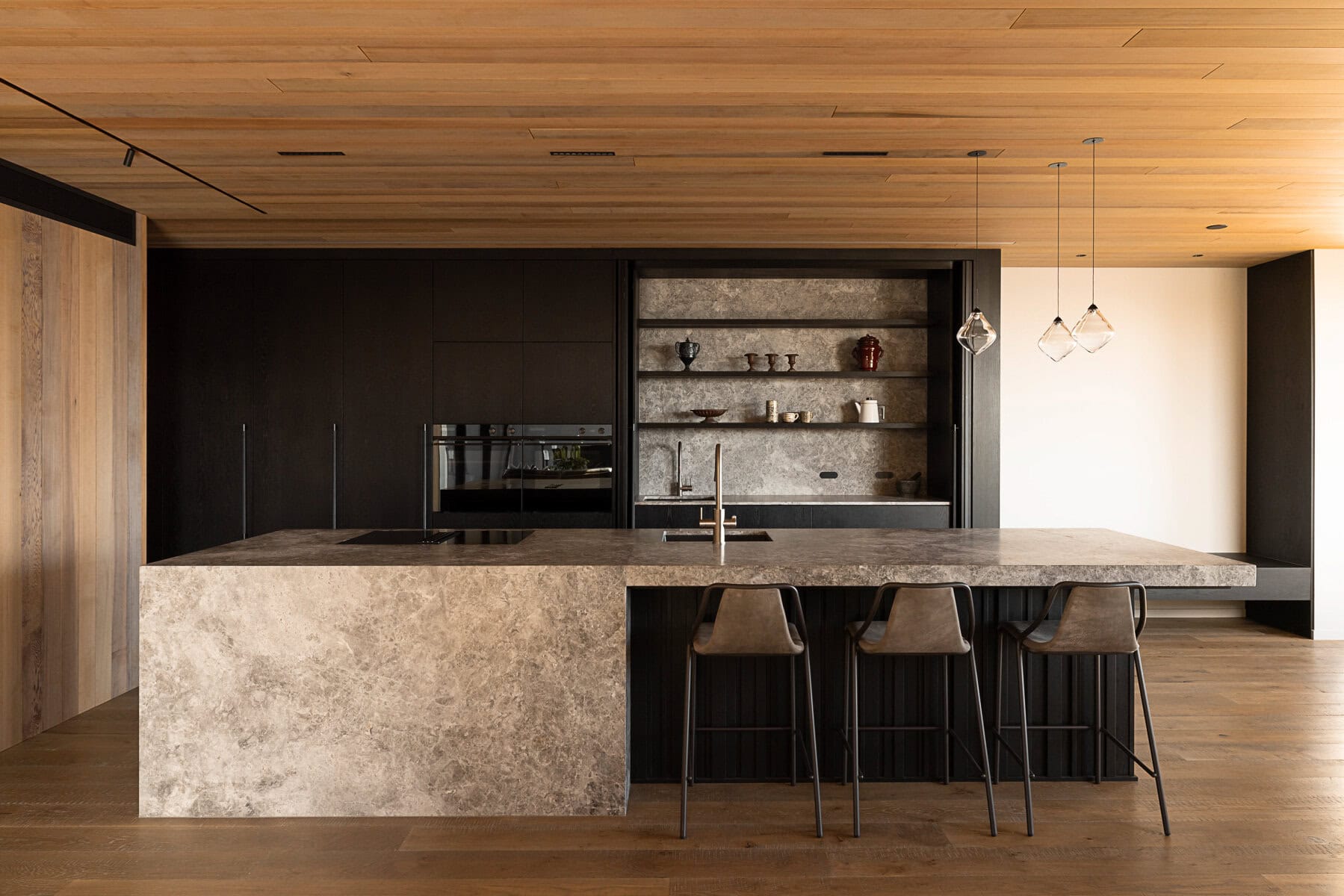
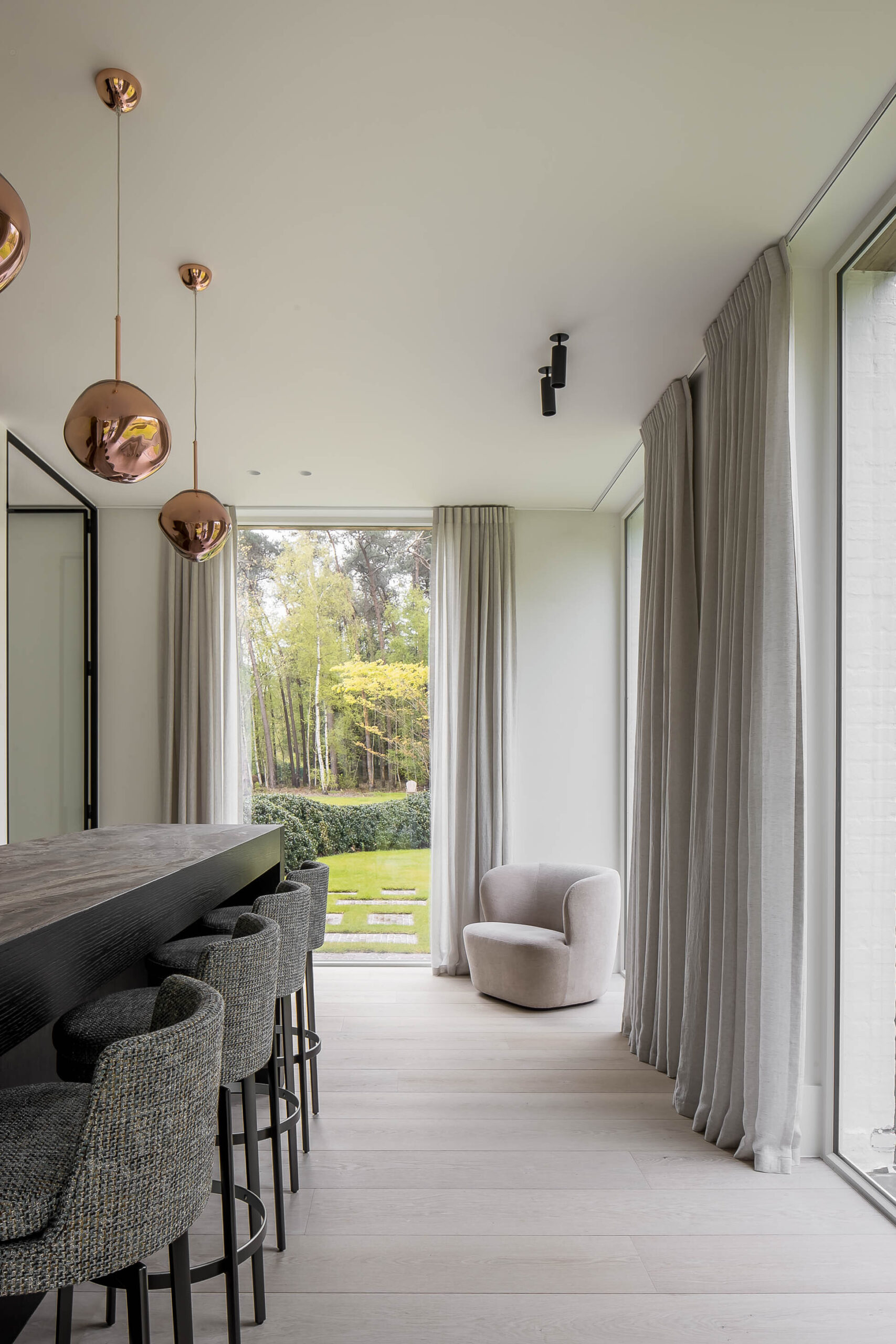
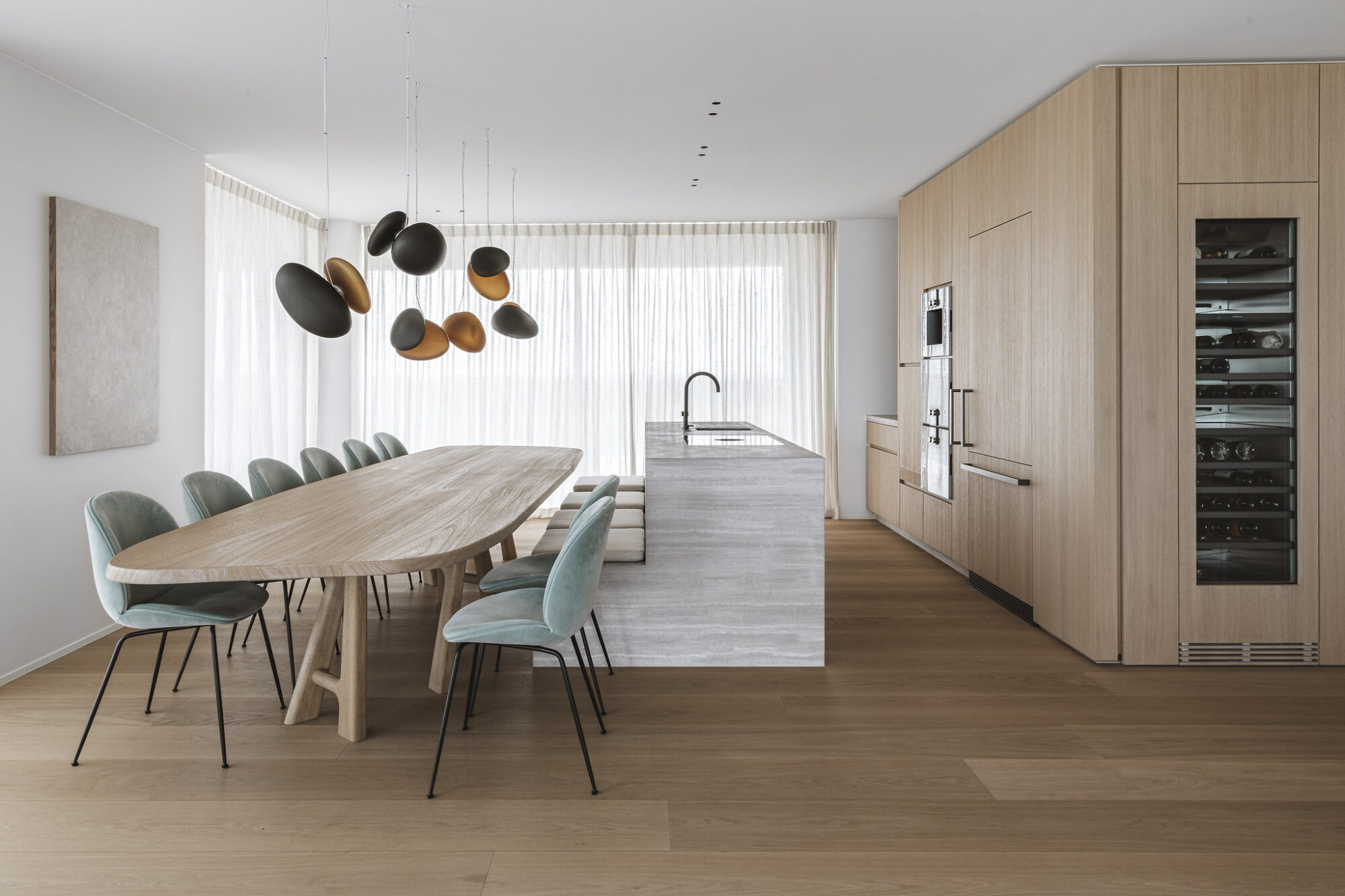
COLLABORATION
YOUR TRUSTED PARTNER FOR ENGINEERED HARDWOOD FLOORING
108+ verified Google Reviews. Premium Engineered hardwood flooring collection. Private showroom consultations. Nationwide delivery. Trade program for architects, builders, and interior designers.
ENGINEERED HERRINGBONE FLOORING
Authentic engineered hardwood flooring combines traditional European craftsmanship with modern engineered construction, creating exceptional dimensional stability while preserving the natural beauty of genuine hardwood. Its geometric pattern introduces movement, depth, and architectural sophistication that complements both contemporary and classic interiors. The multi-layer construction minimizes seasonal expansion while allowing installation in environments where solid hardwood may not perform as effectively.
Two numbers on a specification sheet decide how long a floor lasts, and only one of them is usually quoted. The first is wear layer thickness. At two millimetres a floor can be brought back perhaps once, carefully. At four it will take three or four passes. At six it will outlive the people who chose it. The second number is rarely given at all: how that wear layer was cut from the log.
A rotary-peeled face is turned off the log the way paper comes off a roll. It is fast, it is cheap, and it produces a wild repeating figure that no solid board has ever had — the giveaway that tells a designer’s eye something is wrong before they can say what. A sliced face is better. A sawn face is cut exactly as a solid plank is cut, with the same growth-ring geometry running through it, which is why a sawn-face board is indistinguishable from solid timber once it is down and finished. We specify sawn face only. It costs more per square foot, and it is the single biggest reason our floors read as solid wood both in a photograph and in a room.
Finishing is the other thing this construction changes. A solid floor is normally laid raw and then sanded, stained and sealed inside the house, with the dust, the fumes and the ten days that implies. A factory-finished board arrives complete, cured under controlled conditions to a hardness no site application can reach, and the room is usable the day the work stops. For a client living in the property, or a developer handing over on a fixed date, that difference is worth more than any line on a specification.
LUXURY ENGINEERED HARDWOOD FLOORS
Luxury engineered hardwood flooring offers the warmth and character of authentic European oak while delivering outstanding structural stability. Wide plank formats, refined matte finishes, and carefully selected natural tones create elegant interiors that remain timeless. Because only the top layer is premium hardwood, engineered flooring provides the same authentic wood surface while utilizing advanced core construction for improved long-term performance.
Width is where the argument settles itself. A solid oak board much over five inches wide becomes difficult to keep flat, because the wider the piece the more absolute movement there is across it for the same change in moisture. At eight or ten inches the cupping and gapping are impossible to control in a house anyone actually lives in. That is not a manufacturing limitation; it is timber physics, and it is why almost every genuinely wide floor you have admired was built this way whether or not anyone mentioned it.
Length behaves the same. Long boards in solid form twist along their axis, while a laminated core holds them straight. So the formats that define contemporary interiors — nine and ten inch widths, lengths running past seven feet, the uninterrupted plane a modern architect draws — exist because of the construction rather than in spite of it. The real choice is never between a wide solid floor and a wide engineered one. It is between a wide engineered floor and a narrow solid one.
The same logic governs pattern. A herringbone or chevron field puts many times more joint into a room than a plank floor does, and every joint is a place where seasonal movement can show. Blocks cut from a stable core hold their angles; blocks cut from solid timber fight each other.
ENGINEERED HARDWOOD FLOORING FOR LUXURY INTERIORS
Premium hardwood flooring has become the preferred choice for many luxury residences because it offers several important advantages over traditional solid hardwood. Its layered construction provides greater resistance to seasonal movement, making it well suited for wide plank flooring, open floor plans, and homes with varying humidity levels. Many engineered floors are compatible with radiant heating systems and can often be installed over concrete slabs, expanding design possibilities for new construction and renovation projects. Homeowners can explore the benefits of engineered hardwood flooring when selecting a surface that combines authentic wood character with improved stability and performance. Engineered hardwood is also an excellent choice for functional living spaces such as wood floors in the kitchen, where durability, beauty, and everyday practicality are equally important. Homeowners also benefit from authentic hardwood aesthetics without compromising long-term durability or architectural performance.
Three conditions make the decision for you. Concrete is the first: a solid floor cannot go directly onto a slab without a timber sub-structure that steals ceiling height and adds weeks, while a laminated board bonds straight down. Underfloor heating is the second: a solid plank sitting over a heat source is being dried from beneath every day of the winter, and few of them survive it gracefully, whereas a cross-laminated core is close to indifferent to the cycle. Climate extremes are the third, and they run in both directions — a Florida August and a New York January are the same problem viewed from opposite ends, and the answer to both is a core that does not respond to it.
Where solid timber still holds its ground is in the very long term, on a floor that will be sanded many times across a century, and in period restoration where the original construction is itself part of what is being conserved. Those are real cases and we will say so when we meet one. They are not most projects, and they are almost never the project that involves a slab, a heating loop or a ten inch board.
None of this makes the choice automatic. It makes it answerable. We go through the substrate, the heating, the climate and the format the architecture wants, and the construction follows from those four answers rather than from a preference stated at the start.


ENGINEERED HARDWOOD FLOORING
By VOGUE PARQUET
BESPOKE ENGINEERED HARDWOOD FLOORING
Engineered hardwood flooring offers exceptional design flexibility through wide plank, herringbone, chevron, and custom European oak collections. Whether you’re designing a private residence, luxury condominium, or architectural renovation, premium engineered flooring provides authentic hardwood beauty with modern structural performance built to last. Luxury engineered hardwood flooring is designed to meet the demands of modern living while preserving the timeless character of genuine hardwood. Its advanced multi-layer construction enhances dimensional stability, making it an excellent choice for homes with changing humidity levels, open-concept layouts, and radiant heating systems. Available in a wide range of finishes, textures, and plank dimensions, engineered hardwood flooring adapts effortlessly to both contemporary and traditional interiors. From elegant waterfront residences with engineered wood flooring in Miami to sophisticated urban spaces featuring engineered hardwood flooring in NYC and engineered hardwood flooring in Los Angeles, it delivers the warmth, authenticity, and long-term performance expected from luxury wood flooring, making it a preferred investment for homeowners, architects, and interior designers seeking exceptional quality.
A specification worth signing names considerably more than a colour. It should state total board thickness and wear layer thickness as two separate figures, the core type and its ply count, how the face was cut from the log, the finish and the maintenance it will need, the tongue-and-groove profile, and the emissions standard the product is certified against.
That last item matters more than most clients realise. Formaldehyde emissions from composite cores are regulated in the United States under TSCA Title VI, which adopted California’s CARB Phase 2 limits as a national standard, and any floor going into a residence should be certified to it. We also hold chain-of-custody documentation for the oak itself, so the forest the timber came from is a matter of record rather than a claim on a brochure.
Then there is the arithmetic that ought to decide the purchase. A floor with a generous sawn wear layer, properly laid, will be sanded three or four times across sixty or seventy years and look better at the end than it did at the beginning. A thin one will be lifted and replaced twice in the same period, with the disruption and expense of two full renovations attached. The expensive floor is almost always the cheaper one.