
White Oak Flooring
White oak flooring is the quiet foundation of the modern American interior — and at VOGUE Parquet®, it is drawn in European white oak, milled to architectural tolerance, and finished entirely by hand. Prized for a fine, even grain that holds colour without ever looking painted, white oak flooring is the surface designers specify when a room must feel at once timeless and effortlessly contemporary. It is understated by nature, and it is precisely that restraint that lets everything placed upon it read more clearly.
The name covers two different timbers and it is worth knowing which one is being quoted. American white oak is Quercus alba, grown across the eastern United States, and it tends to run straight, uniform and relatively free of incident, with long clear lengths and a cooler cast. European oak is Quercus robur or petraea, slower grown, more varied, higher in tannin and warmer in tone. Both are correctly described as white oak flooring in the trade, and a specification that does not name the species has not said very much.
We work in European oak, and the reason is chemistry rather than fashion. The tannin content is materially higher, which is what allows colour to be developed by reaction through the thickness of the timber instead of applied to its surface. American white oak can be treated the same way but responds less generously, and the deep smoked and fumed tones that define a great deal of contemporary white oak flooring are far harder to reach in it.
The White Oak Collection
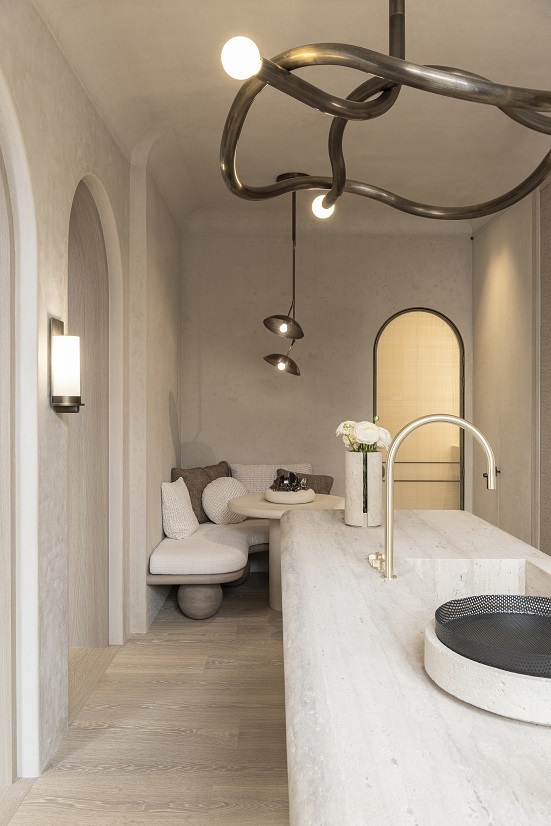

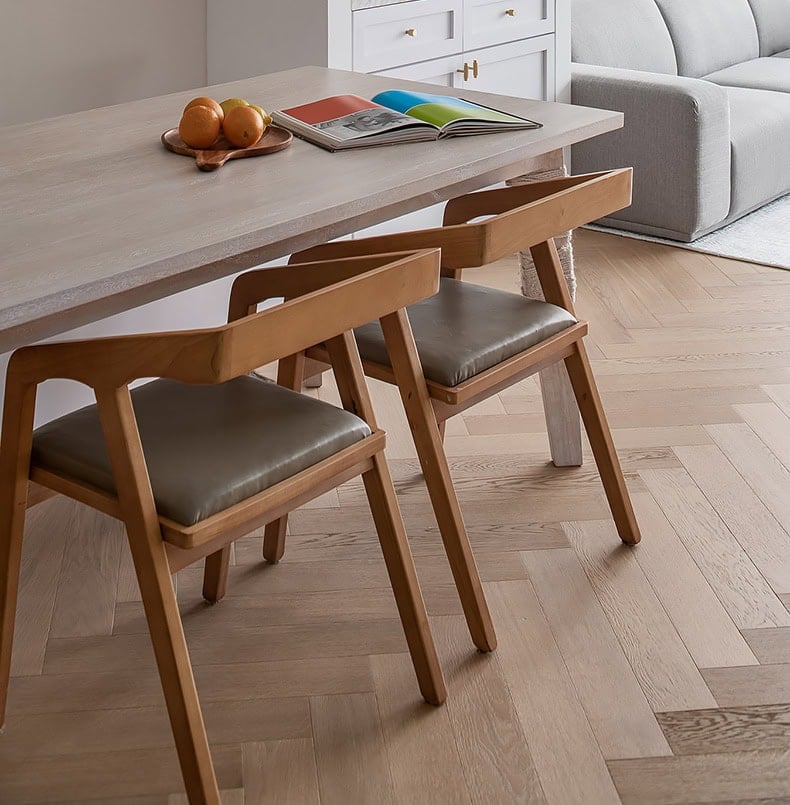

Specified in European White Oak
European White Oak, the Architect’s Standard
Not all white oak is equal. VOGUE Parquet® works exclusively in European white oak — a slower-grown, tighter-grained timber than its American cousin, with a calmer figure and a rare willingness to take reactive stains and fumes, the reasons designers choose European oak again and again. Every board is hand-selected to a consistent grade — our guide to selecting European oak explains what that grading means — so the floor reads as one continuous surface rather than a patchwork of tones. It is the difference between white oak flooring that looks specified and a floor that merely looks bought. We trace each parcel of oak to responsibly managed European forests, because provenance is part of the luxury.
Our European expression of it is the Bottega European oak collection, drawn from the same family and finished to a narrower specification.
There is one property of this timber that explains almost everything about why it became the standard, and it is invisible. The pores of white oak are blocked by tyloses — tiny crystalline growths that seal the vessels as the tree matures. The wood is therefore effectively watertight, which is why wine and whisky barrels are made from it and why it was used for centuries in boatbuilding. Red oak, which looks superficially similar and costs less, has open pores and no tyloses at all; you can blow air through a length of it.
On a floor that difference is the difference between a surface that resists a spill and one that draws it in. It is also why white oak flooring accepts a reactive or penetrating finish so evenly, and why red oak so often looks blotchy when the same treatment is attempted. Red oak carries a pink cast, a coarser cathedral figure and a more open texture, and while it has its place, it is not the timber a considered interior is built on.
Engineered for a Lifetime
Beneath the beauty sits engineering. Our white oak hardwood flooring is built on a cross-bonded core beneath a wear layer generous enough to be refinished across a lifetime, with tongue-and-groove machining calibrated for near-invisible joints. We specify a subfloor moisture content of eight to twelve percent, a fourteen-day acclimatisation on site, and — where underfloor heating is present — a capped surface temperature and carefully controlled relative humidity. These are the quiet details that separate a floor that endures from one that only looks resolved on installation day. Engineered construction also grants white oak the dimensional stability to sit over radiant heat and across the wide-plank white oak spans a modern interior demands.
How the log is cut matters as much as which log it was. Plain-sawn boards are taken straight through the trunk, which is the highest yield and the cheapest, and they carry the broad cathedral arches most people picture when they think of oak. They also move the most across their width, because the growth rings run roughly parallel to the face.
Rift-sawn boards are cut at an angle to the rings, producing an almost perfectly straight, quiet, linear grain with no arching at all. They are the most dimensionally stable cut available and the most wasteful to produce, which is why rift white oak flooring costs what it does and why it is what architects specify when they want the floor to recede entirely.
Quarter-sawn sits between the two. Cut radially, it exposes the medullary rays — the ribbons of cells running outward from the centre of the tree — as a shimmering flake figure across the board. It is the look of Arts and Crafts interiors and of the great early twentieth-century apartment buildings, and in a contemporary room it reads as quiet luxury rather than pattern. A rift-and-quartered white oak flooring specification takes both cuts together and rejects the plain-sawn entirely.
WHITE OAK IS THE FLOOR THAT DISAPPEARS INTO THE ARCHITECTURE AND LETS THE ROOM SPEAK.
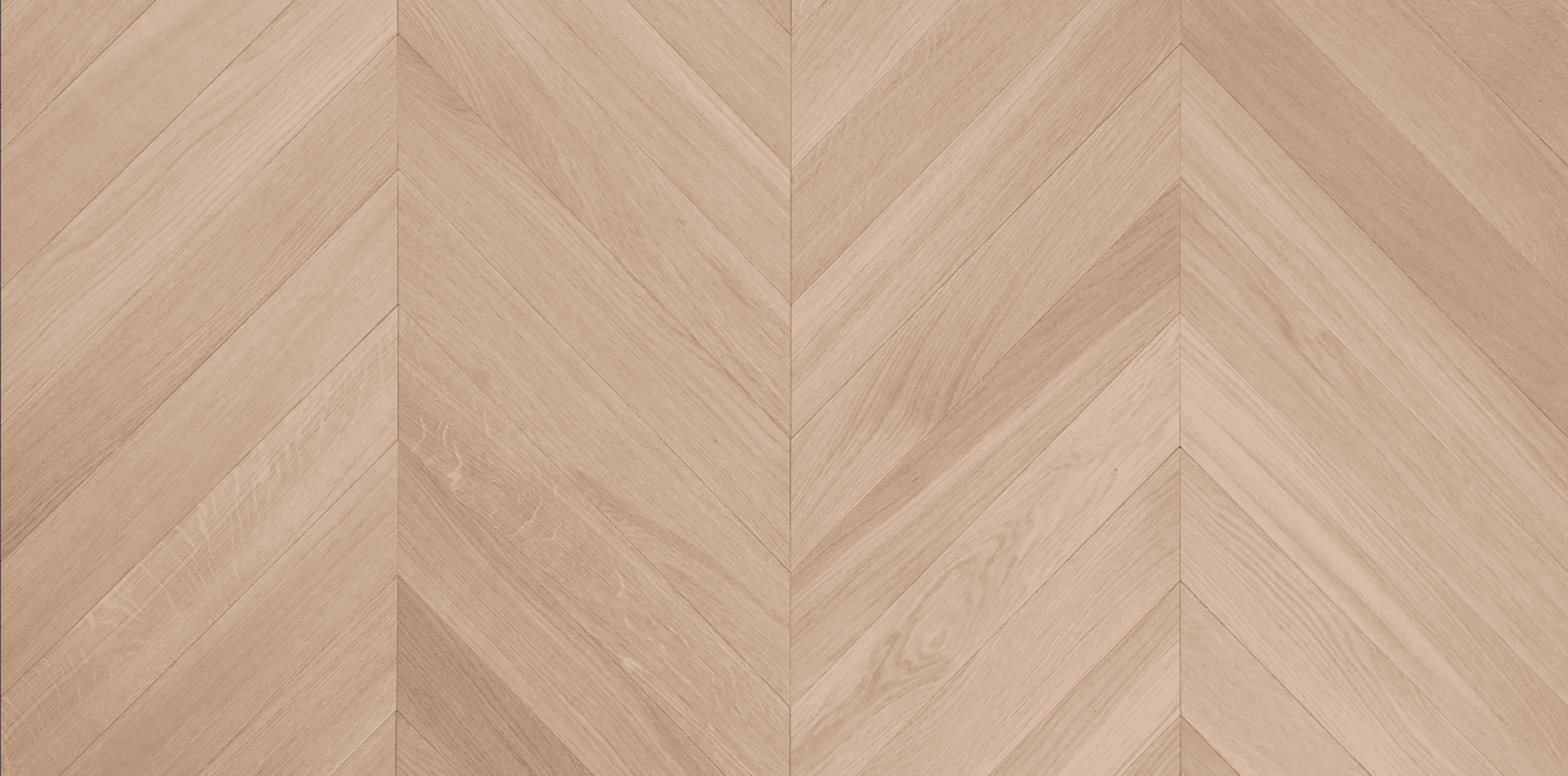
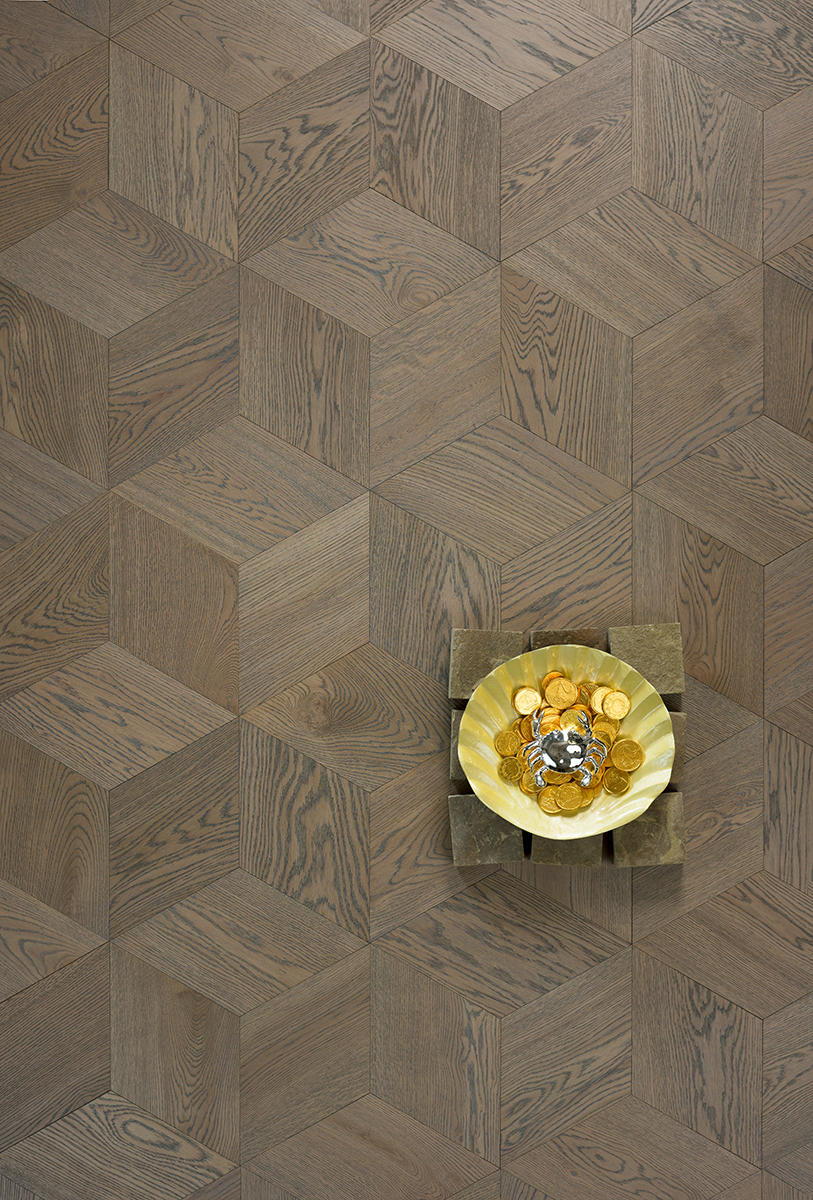
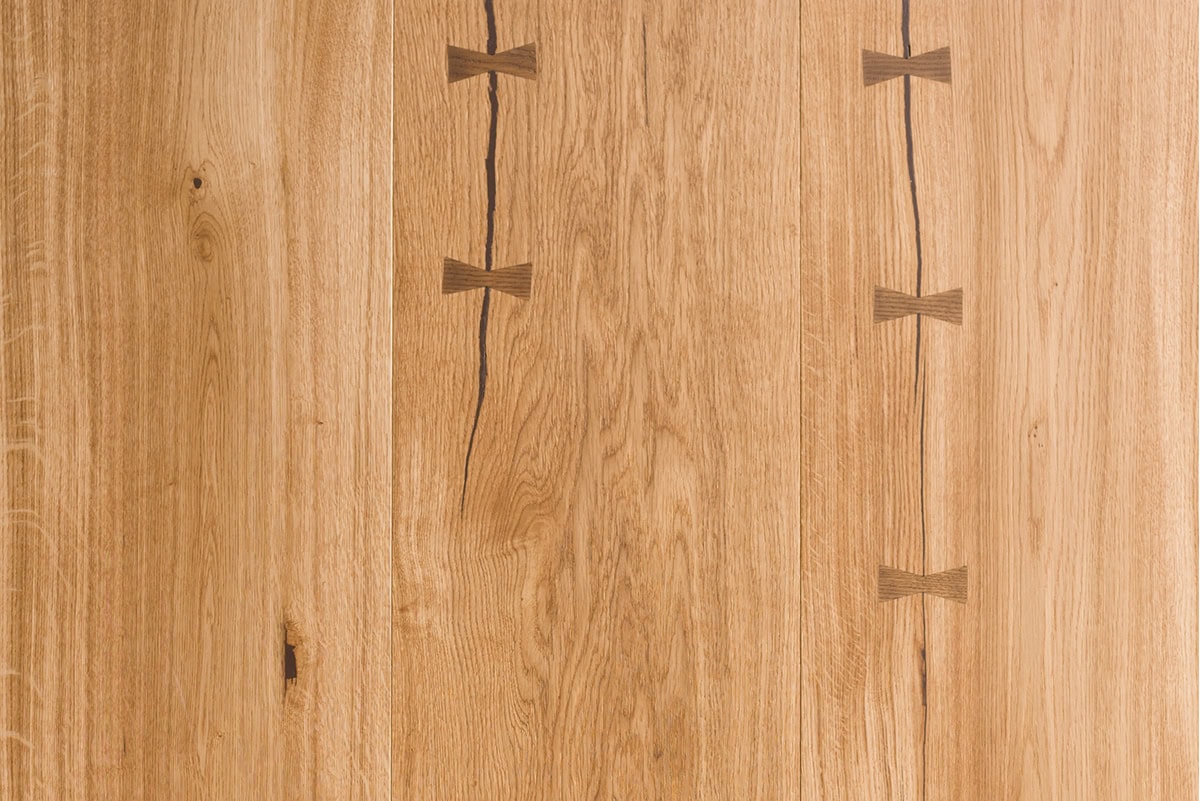
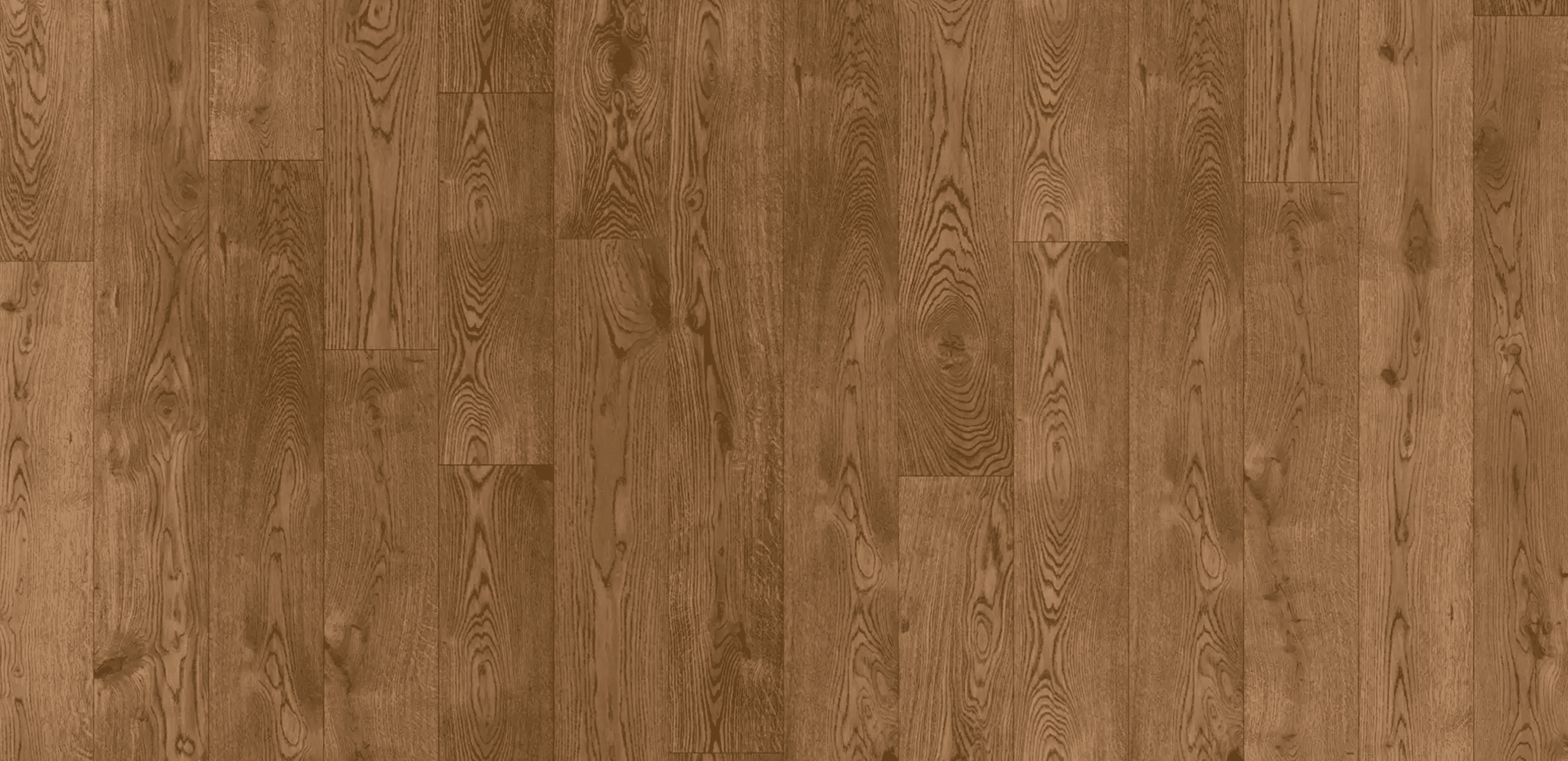
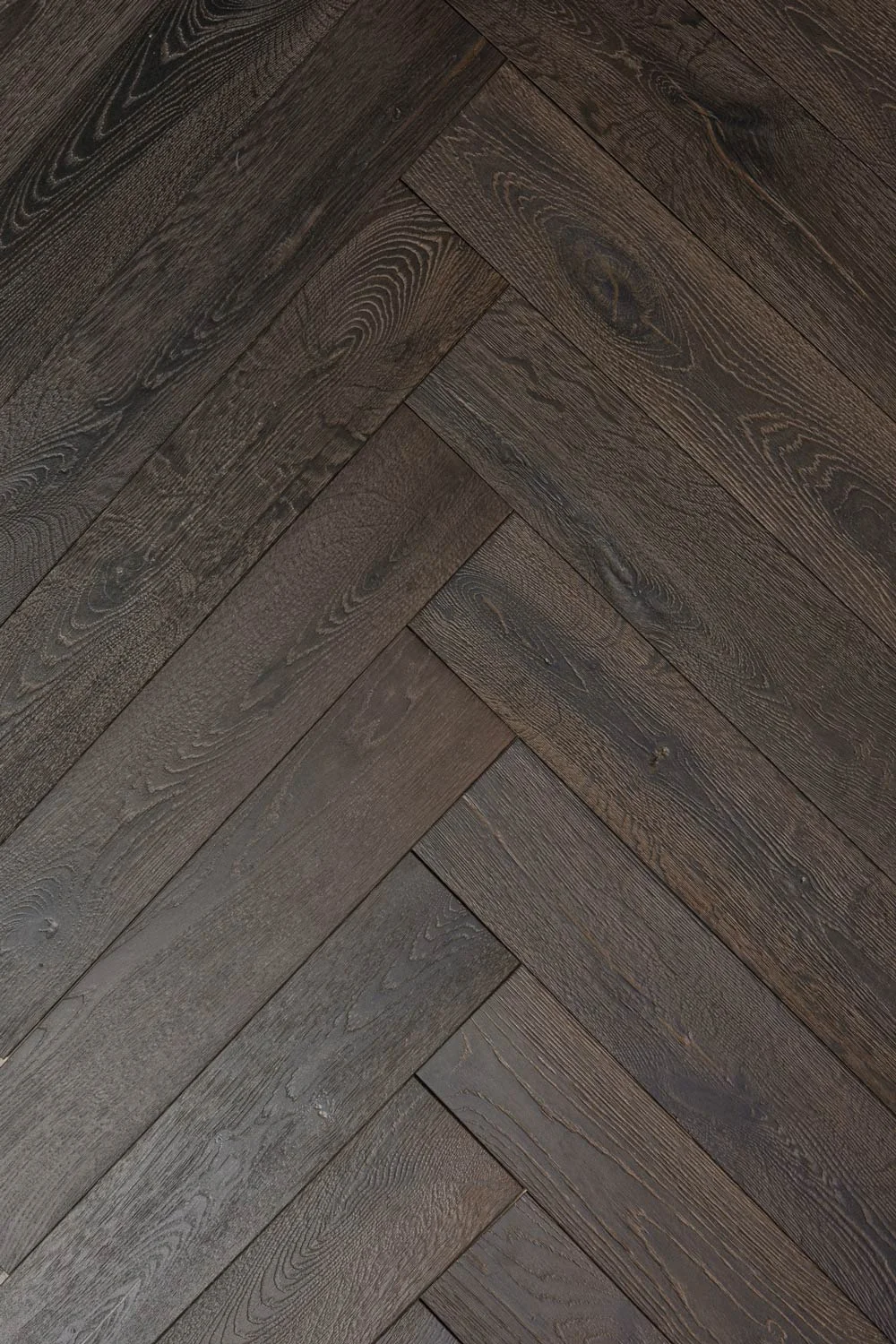
“A white oak floor is not a backdrop. It is the first decision every other decision in the room will answer to.”
Every board of white oak flooring we supply is graded by hand at the mill, so what is described on the specification is what arrives in the crate.
A Spectrum of Finishes
Colour, on white oak, is authored rather than ordered. In the atelier each board can be whitewashed to hold light, left natural for a barefoot warmth, fumed to draw out its tannins, or wire-brushed and dressed in a matte hard-wax oil that can be spot-repaired rather than fully re-sanded. Because European white oak accepts pigment so evenly, a bespoke tone can be mixed to a designer’s reference and archived — so a floor can be matched or extended years later without guesswork. From the palest Scandinavian whites to deep smoked browns, the same timber carries an entire spectrum of shades, which is why white oak flooring has become the designer’s blank canvas — explore our European oak design ideas to see it in rooms.
Hardness is the number clients are handed and it is the least useful one. Oak sits around 1300 on the Janka scale, comfortably above most species used for flooring, but hardness measures resistance to a steel ball pressed into the surface and tells you almost nothing about how a floor behaves in a house. What actually determines whether a floor still looks composed in a decade is the cut, the construction beneath the face, the thickness available for refinishing and the finish itself. A very hard timber in a poor construction will cup and gap; a moderately hard one built properly will not.
The finish is where a white oak flooring specification is either made or lost. Because the timber is pale and even, it accepts an enormous range: left raw and simply protected, it reads almost white; treated with lye and white oil it holds the Scandinavian pallor that refuses to yellow; fumed, it moves through honey and tobacco to near black; brushed, it gains a texture that catches raking light. None of these are stains sitting on the surface. They are changes made to the timber itself, which is why they wear as patina rather than as damage.
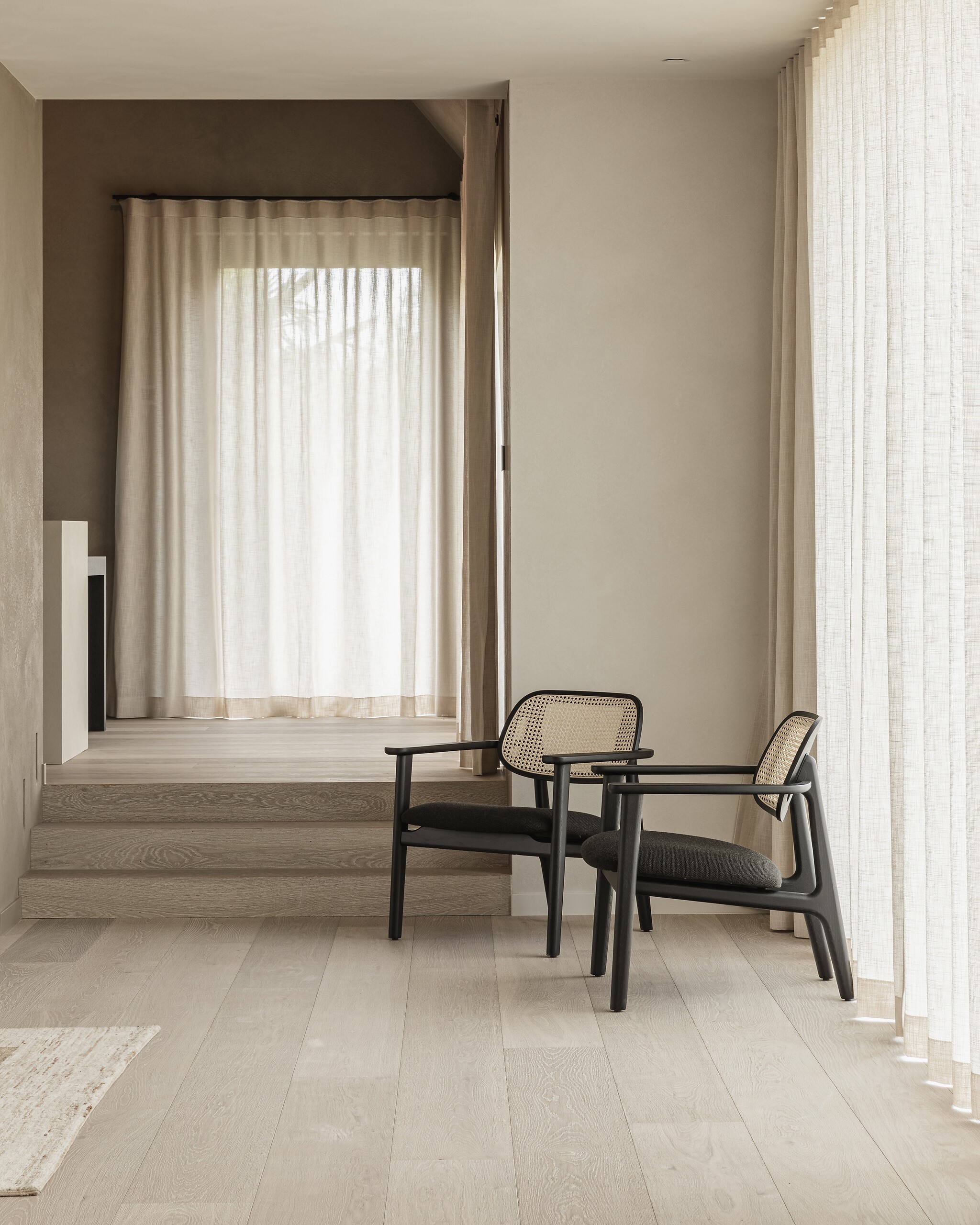
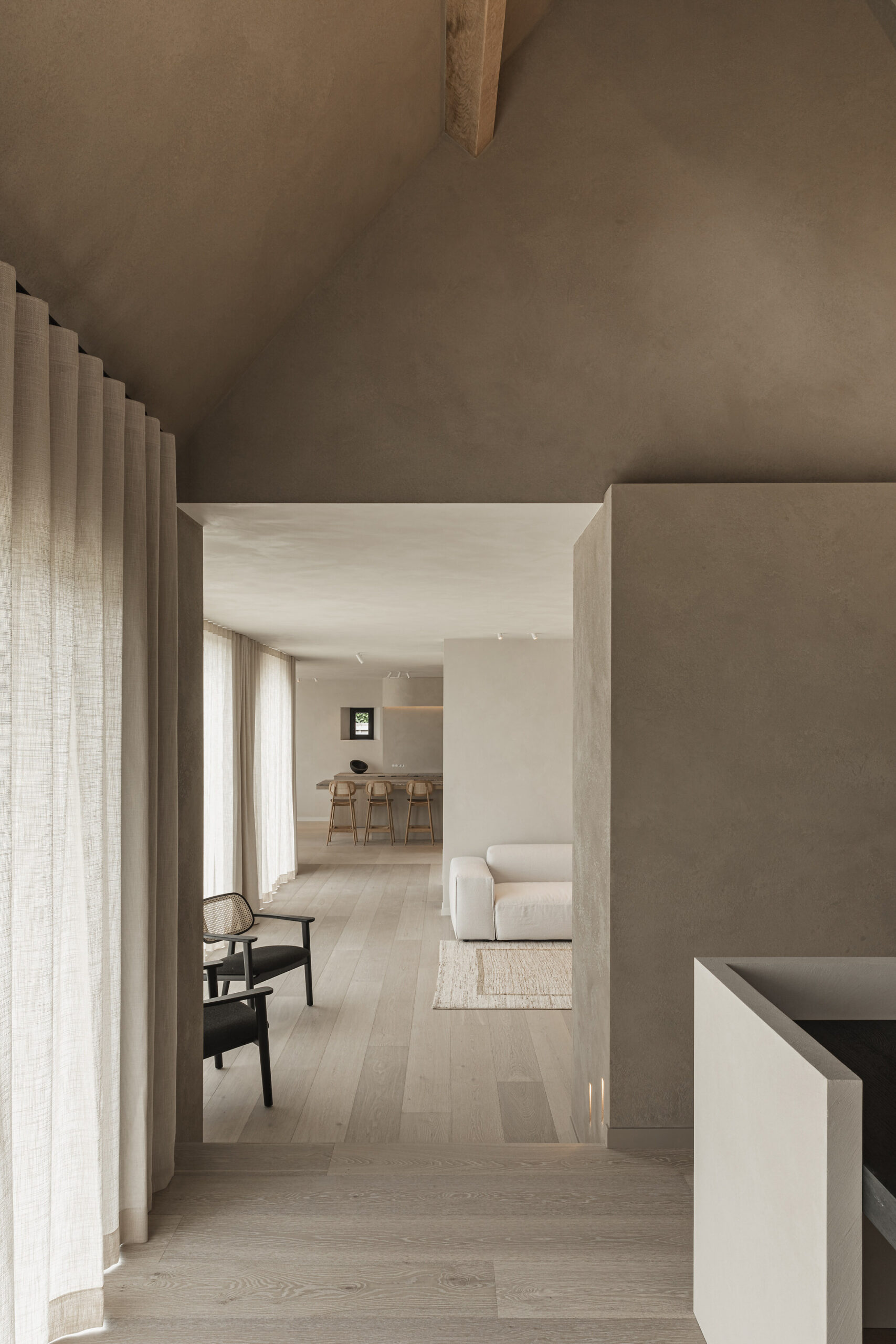
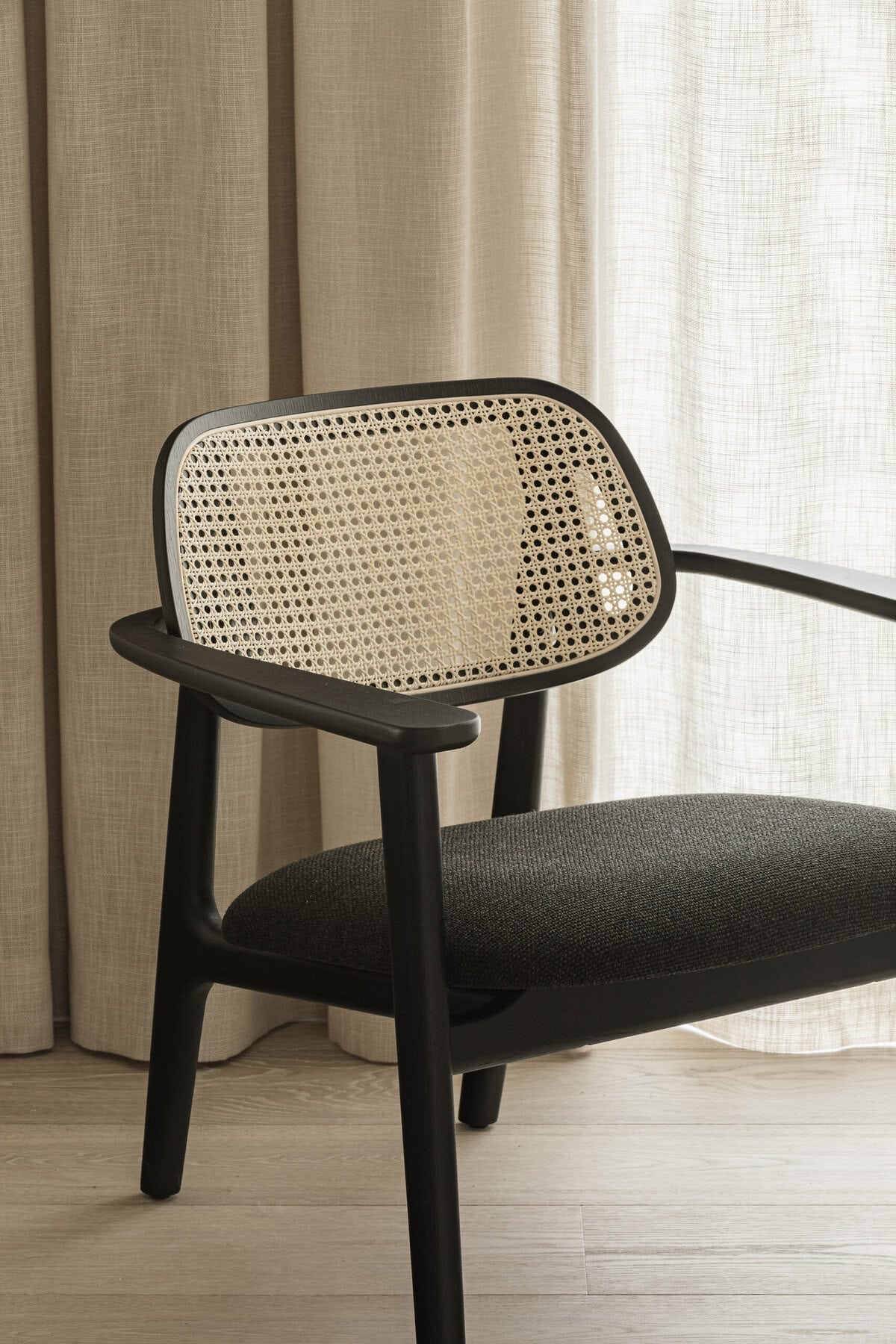
WHITE OAK BY VOGUE Parquet®
Bespoke white oak flooring, engineered in Europe and finished by hand.
GRADE, CUT AND FINISH — CONTROLLED FROM THE FOREST TO THE FINISHED FLOOR.
Where White Oak Belongs
From a wide-plank expanse in a penthouse to a tight herringbone in a panelled library, white oak flooring carries every register of the luxury interior — from our white oak flooring in Miami to New York and Los Angeles. It sits as easily beneath the restraint of a contemporary home as within the ornament of a landmark residence, which is why it has become the default specification for architects and interior designers working at the top of the market, and why it leads the wide-plank trends defining luxury interiors. It performs, too, in the settings that demand the most — private residences, boutique hospitality, and flagship retail — holding its composure under heavy footfall while never surrendering the warmth that made it desirable in the first place.
Where it belongs is almost everywhere, and that is the point. Oak of this kind is the floor that lets the rest of a room be the subject — it sits underneath a collection, a joinery scheme, a stone fireplace or a view without competing for attention. That neutrality is why it has outlasted every flooring fashion of the last century and why specifying it is rarely a decision anyone regrets.
It is also why the detail matters so much. When a floor is meant to disappear, every visible failure is conspicuous: a joint that has opened, a board that has cupped, a lane worn through the finish in a corridor. A white oak flooring commission is judged on the things nobody is supposed to notice.
Practically, that means we ask where a floor is going before we discuss how it should look. A kitchen and a principal bedroom ask different things of the same finish. A hallway takes in six months the wear a study takes in ten years. An open plan running from an entrance to a terrace has to satisfy both extremes on one continuous plane. A white oak flooring specification that ignores those differences is a colour choice, not a specification.
Begin a White Oak Commission
Whether you are building new or upgrading to European oak, VOGUE Parquet® guides every white oak flooring project as a private, specification-led collaboration for architects, designers, and discerning homeowners. We prepare finished sample panels to the exact tone of your project, dry-lay them under the room’s own light, and refine until the composition is right — only then does production begin. Share your drawings, and let the atelier compose a floor made only for your space: engineered in European white oak, finished by hand, and built to last a generation.
Two things belong on the first page of any quotation. Wear layer thickness governs how many times the floor can be refinished across its life — the difference between an asset and a consumable. Cut and grade govern what it will look like once it is down, and neither can be judged from a sample the size of a postcard. We make a panel large enough to show the repeat, and we look at it in the room it is destined for, under that room’s own light.
We mill to order, grade by hand, and finish in the atelier before anything ships. Ask for samples or arrange a consultation, and we will bring the cuts and finishes that suit the architecture rather than a folder of everything we make.
For how European white oak differs from the American species in grain and grade, see European and American oak compared. The milling behind each board is described in our atelier.